Gundog group · Hungary
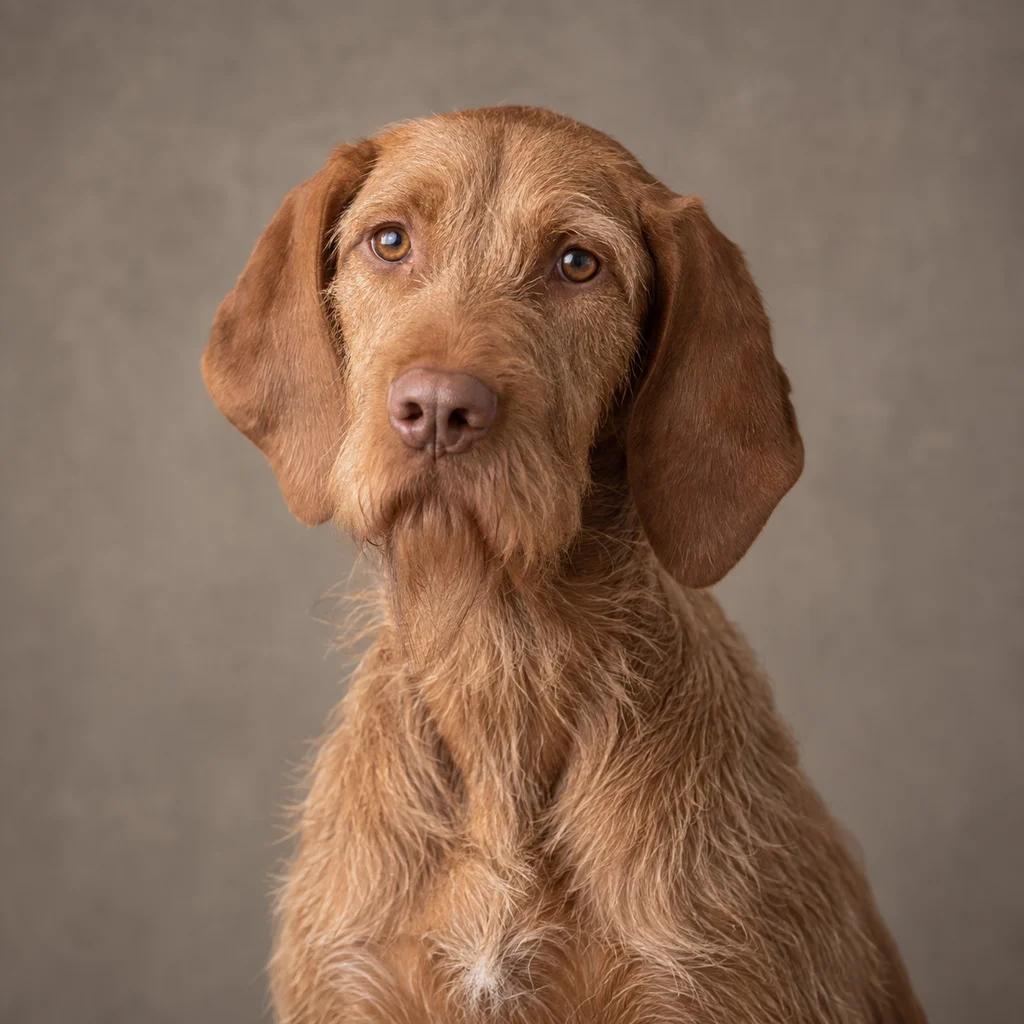
Wirehaired Vizsla
Also called Hungarian Wirehaired Vizsla, Drotzoru Magyar Vizsla.
What makes them remarkable
Hunters developed a rough-coated cousin of the Vizsla for colder, wetter conditions; it is a separate breed.
- Gentle
- Loyal
- Trainable
- Calm
- Affectionate
- Size
- Medium
- Weight
- 20 to 29 kg45 to 65 lb
- Lives
- 12 to 14 years
- Energy
- High
- Trains
- Very High
- Barks
- Low
Training
Training a Wirehaired Vizsla
Gundog breeds. Quick to learn and quick to get over-excited. The work is calm around distractions, not obedience.
Gentle Approach
Start here
Like all Vizslas, they are sensitive. Positive, reward-based training yields the best results.
Versatile Worker
Bred for diverse hunting conditions. Vary training to include different terrains and tasks.
Calmer than Smooth Vizsla
While still active, Wirehaired Vizslas are generally more relaxed than their smooth-coated cousins. Training can be slightly less intense.
The app turns this into five to fifteen minutes a day.
Add your Wirehaired Vizsla and it builds the plan around their age, where they came from and what they already know, one step at a time.

Free to start. iPhone. No card needed.
At home
Living with one
Bred to find, flush and retrieve game alongside a person. Biddable, busy, and happiest with a job.
Gets on with
- ChildrenHigh
- Other dogsHigh
- StrangersModerate
- CatsModerate
Breed averages. Early socialisation and the individual dog matter more.
- Exercise
- 1-2 hours daily. Active exercise including running, swimming, and hunting activities.
- Grooming
- Moderate. Weekly brushing, hand-stripping occasionally for proper coat texture.
- Drool
- Low
- Coat
- Wiry, Dense, Water-repellentGolden Rust, Russet Gold
- In a flat
- Needs more space than a flat gives.
Health
Things to ask a breeder or vet about
Hip Dysplasia
Moderate
Joint condition requiring screening in breeding dogs
Eye Problems
Mild
Various eye conditions including entropion
Skin Allergies
Mild
Sensitivity to environmental allergens
Where they come from
History
Developed in the 1930s by Hungarian hunters who wanted a Vizsla with more weather protection for cold, wet conditions. Created by crossing smooth Vizslas with German Wirehaired Pointers. A distinct breed, not just a coat variety. Recognised by AKC in 2014.
Similar breeds
All breeds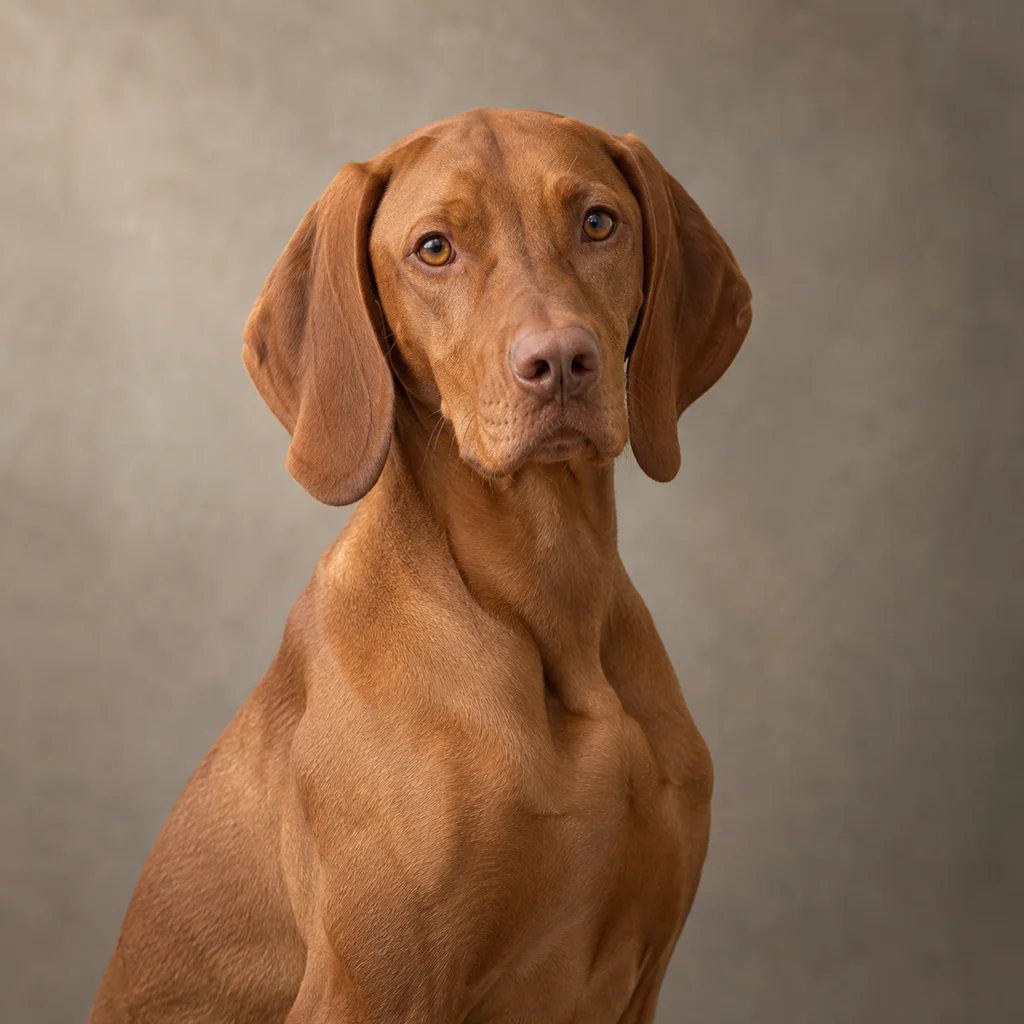
Vizsla
This Hungarian pointer nearly vanished after the Second World War, then was rebuilt from surviving dogs.
Medium · Gundog
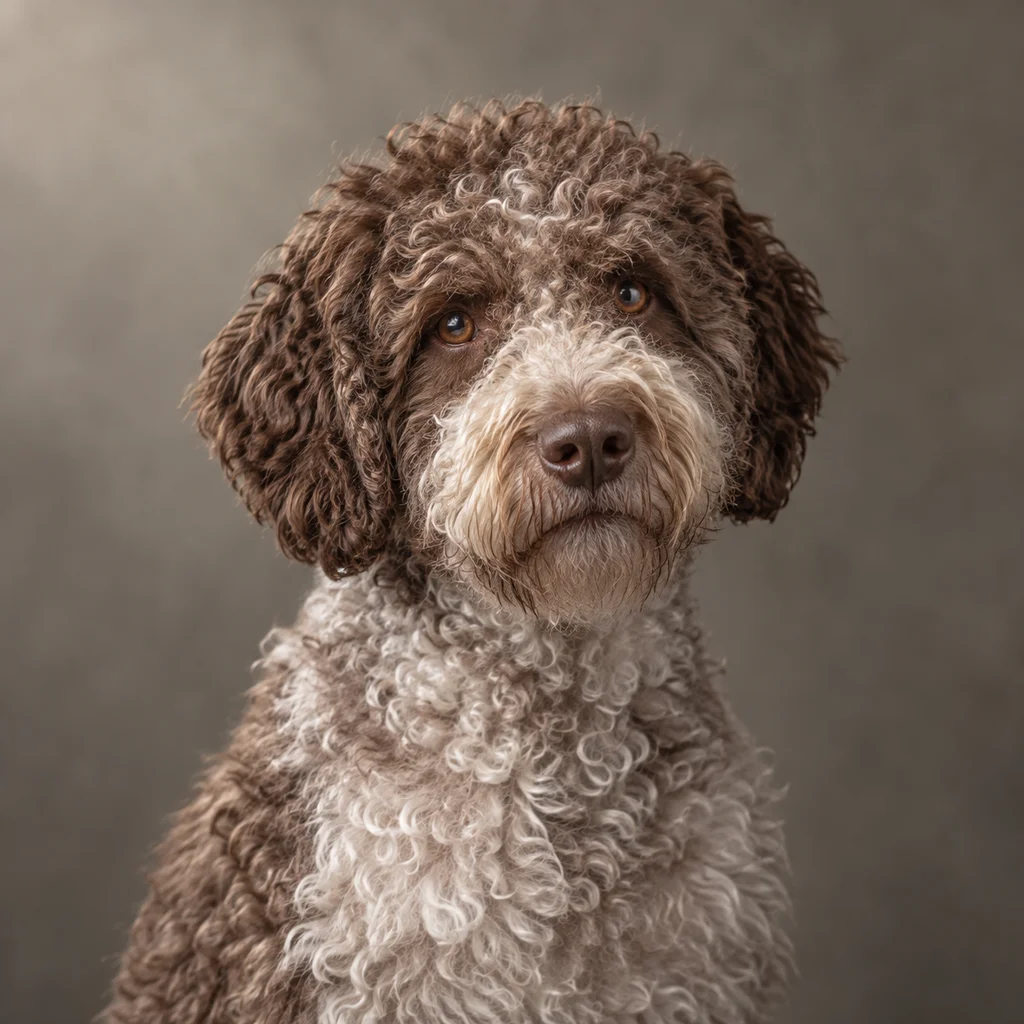
Lagotto Romagnolo
Once a waterfowl retriever, this Italian dog found a new career sniffing out buried truffles.
Medium · Gundog
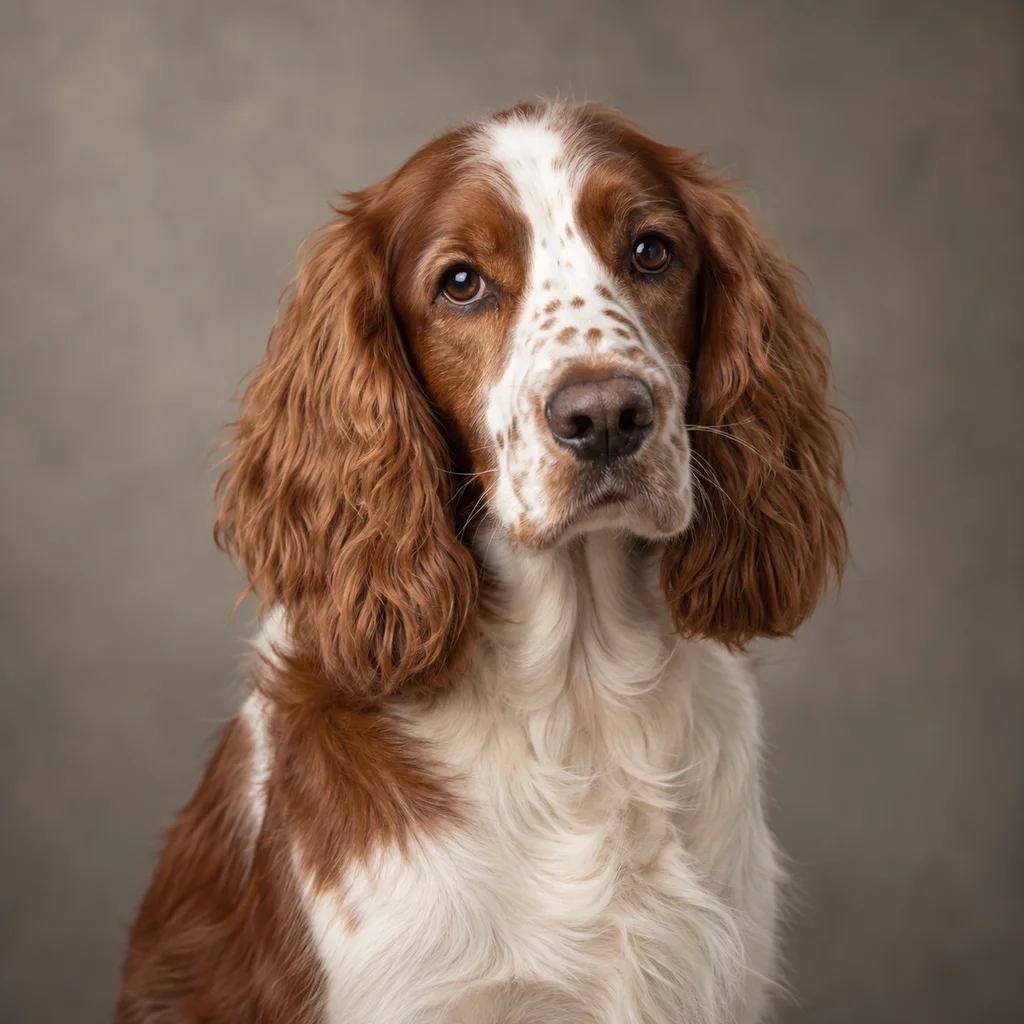
Welsh Springer Spaniel
This red-and-white Welsh spaniel is a distinct breed, with written references reaching back to the 1500s.
Medium · Gundog
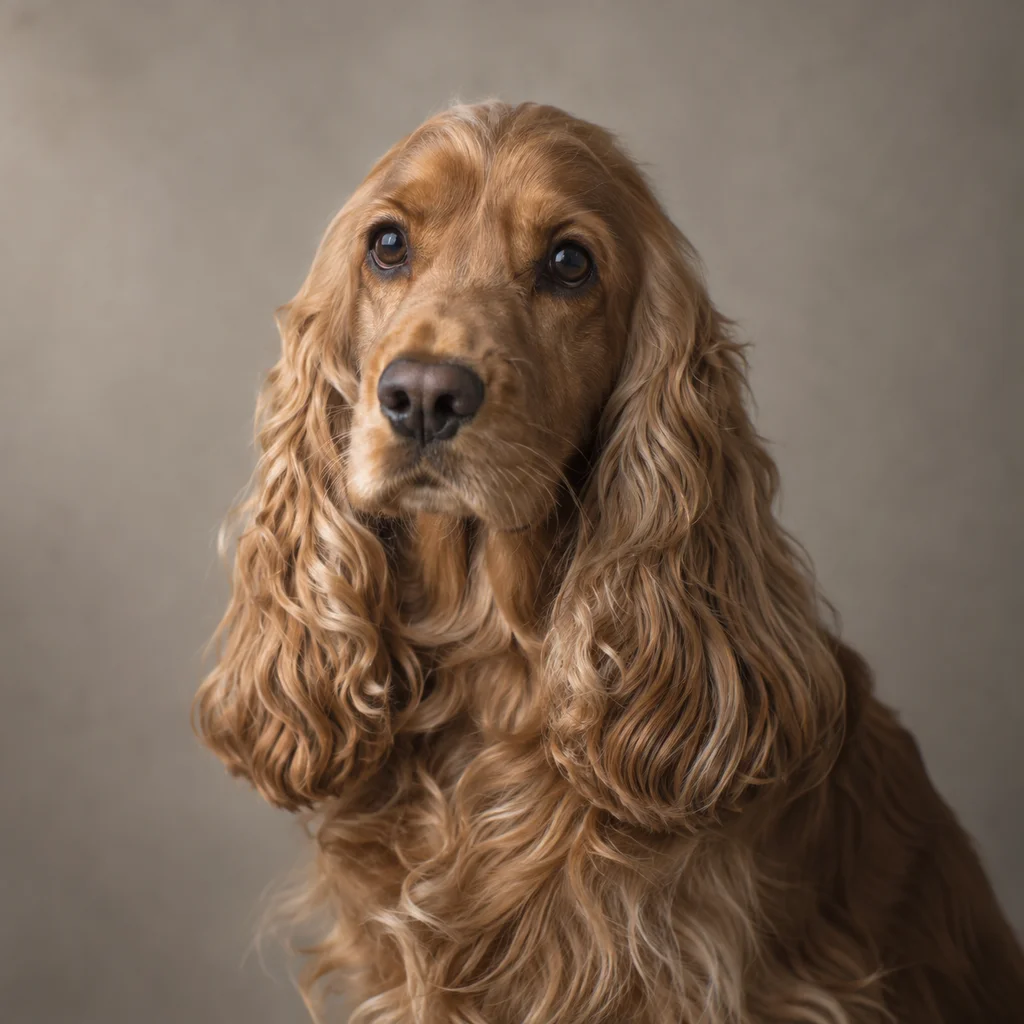
Cocker Spaniel
The “cocker” in its name comes from the woodcock it was bred to flush out of dense cover.
Small · Gundog