Gundog group · England
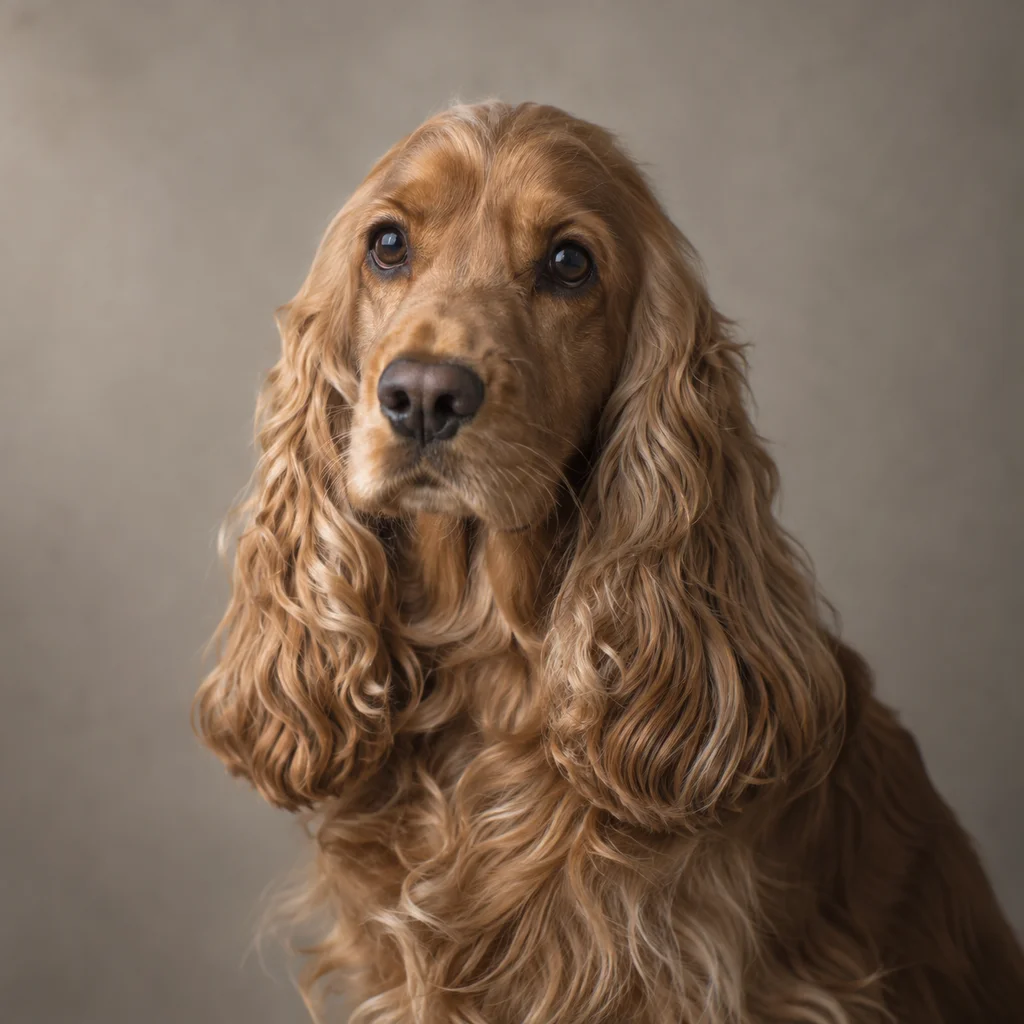
Cocker Spaniel
Also called English Cocker Spaniel, Cocker, Working Cocker, Show Cocker.
What makes them remarkable
The “cocker” in its name comes from the woodcock it was bred to flush out of dense cover.
- Merry
- Affectionate
- Busy
- Gentle
- Biddable
- Size
- Small
- Weight
- 12 to 15 kg26 to 34 lb
- Lives
- 12 to 15 years
- Energy
- High
- Trains
- High
- Barks
- Moderate
Training
Training a Cocker Spaniel
Gundog breeds. Quick to learn and quick to get over-excited. The work is calm around distractions, not obedience.
Know which cocker you have
Start here
Working lines are wired for a full day in cover and need a job every day. Show lines are steadier. Both are bright, quick and keen to work with you, so training goes fast if you keep it fun.
Recall before freedom
A cocker follows its nose and its flushing instinct. Build recall on a long line with high-value rewards, and practise it in the woods, not just the garden, before you trust it off lead.
Teach a settle
Busy dogs do not switch off on their own. A mat, a chew and a few minutes of calm every day stop the constant motion becoming the default.
Watch the excitement
Some cockers wee when greeting or get so wound up they cannot listen. Calm arrivals, rewards for four feet on the floor, and short sessions keep them thinking.
The app turns this into five to fifteen minutes a day.
Add your Cocker Spaniel and it builds the plan around their age, where they came from and what they already know, one step at a time.

Free to start. iPhone. No card needed.
At home
Living with one
Bred to find, flush and retrieve game alongside a person. Biddable, busy, and happiest with a job.
Gets on with
- ChildrenHigh
- Other dogsHigh
- StrangersHigh
- CatsModerate
Breed averages. Early socialisation and the individual dog matter more.
- Exercise
- At least an hour a day, more for a working cocker: walks with sniffing, retrieving, and short training games. A bored cocker finds its own work.
- Grooming
- Brush two or three times a week, more for a show coat. Ears cleaned weekly. Trim the feet and ears every couple of months.
- Drool
- Low
- Coat
- Silky, Medium length, Feathered legs and earsGolden, Black, Blue roan, Liver, Orange roan, Black and tan
- In a flat
- Can work, with enough exercise outside it.
Health
Things to ask a breeder or vet about
Ear infections
Moderate
Long, heavy ears trap moisture. Check and clean them weekly.
Progressive Retinal Atrophy
Moderate
Inherited eye condition. Ask the breeder for the DNA test result.
Familial Nephropathy
Severe
Inherited kidney disease in the breed. DNA-tested parents avoid it.
Hip Dysplasia
Mild
Joint condition affecting mobility. Hip-scored parents lower the risk.
Where they come from
History
Bred in England to flush woodcock from dense cover, which is where the name comes from. The Kennel Club recognised the Cocker Spaniel as a breed separate from the Springer in 1893, and it has been one of the most popular dogs in Britain ever since, topping the Kennel Club registrations for many years. The American Cocker split off in the 1940s and is a different breed. Today there are two types: show cockers, with the heavier coat and calmer nature, and working cockers, bred for the shooting field and now common as busy family pets.
- Lupo · The Prince and Princess of Wales' black cocker, seen at Kensington Palace for nine years.
Similar breeds
All breeds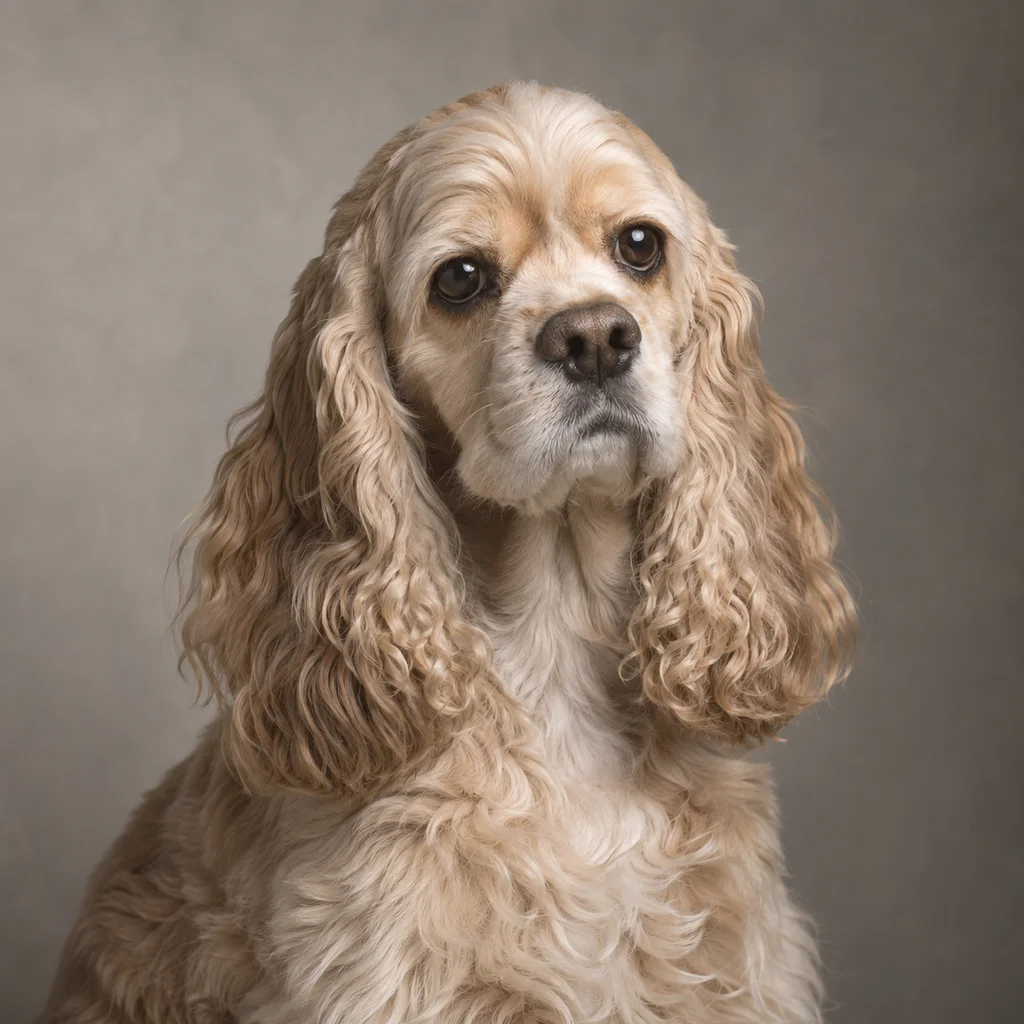
American Cocker Spaniel
Its small frame had a hunting advantage: Cockers could push into the dense shrubs where game birds hid.
Small · Gundog
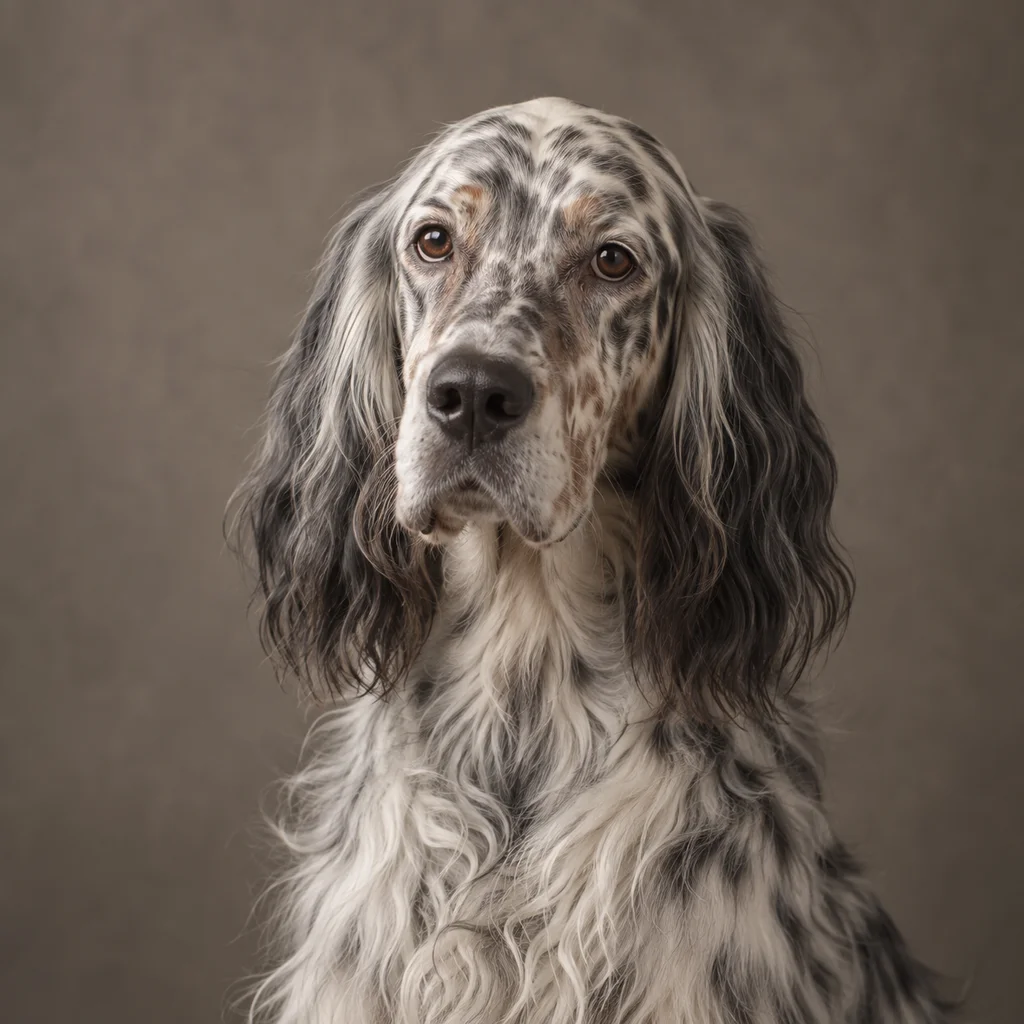
English Setter
“Setter” describes its old job: crouching low, or “setting”, to show hunters where birds were hiding.
Large · Gundog
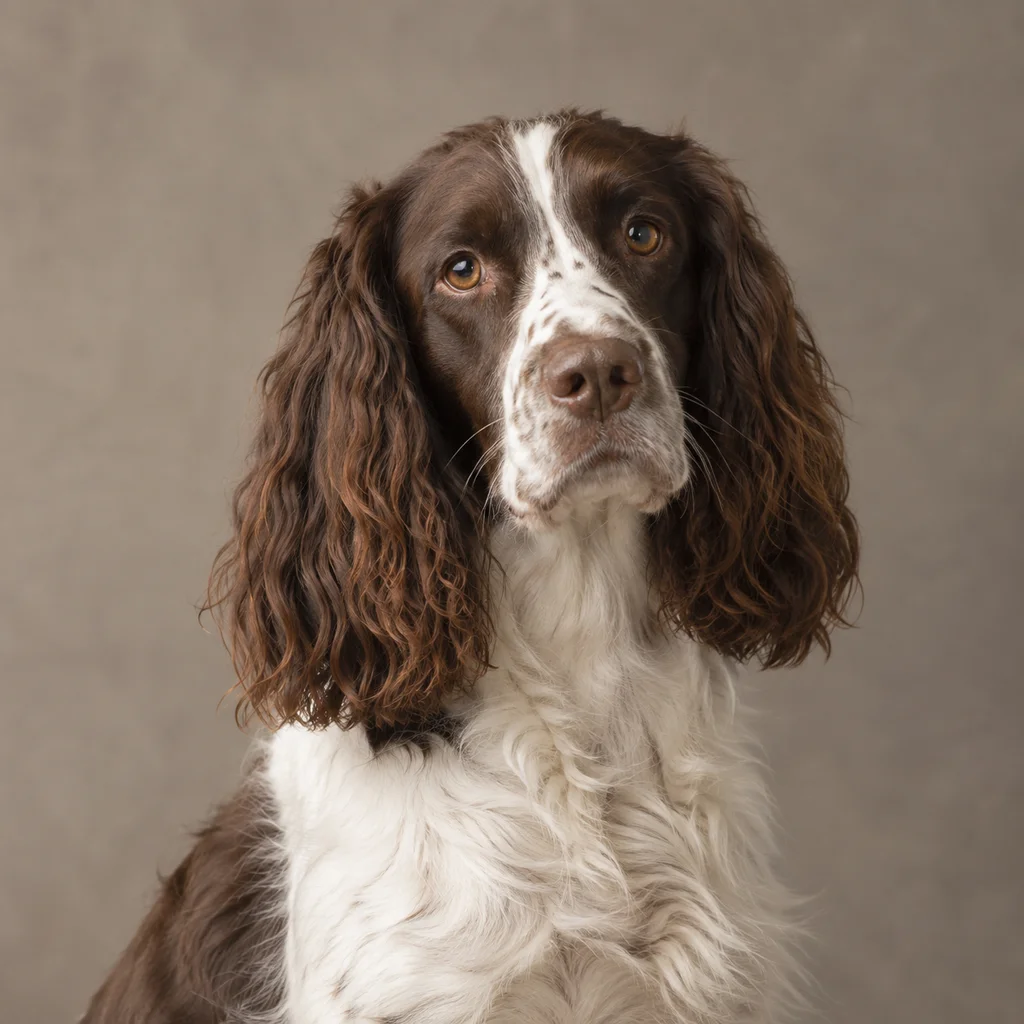
English Springer Spaniel
Springers and Cockers once came from the same litters, with size deciding which job each puppy would do.
Medium · Gundog
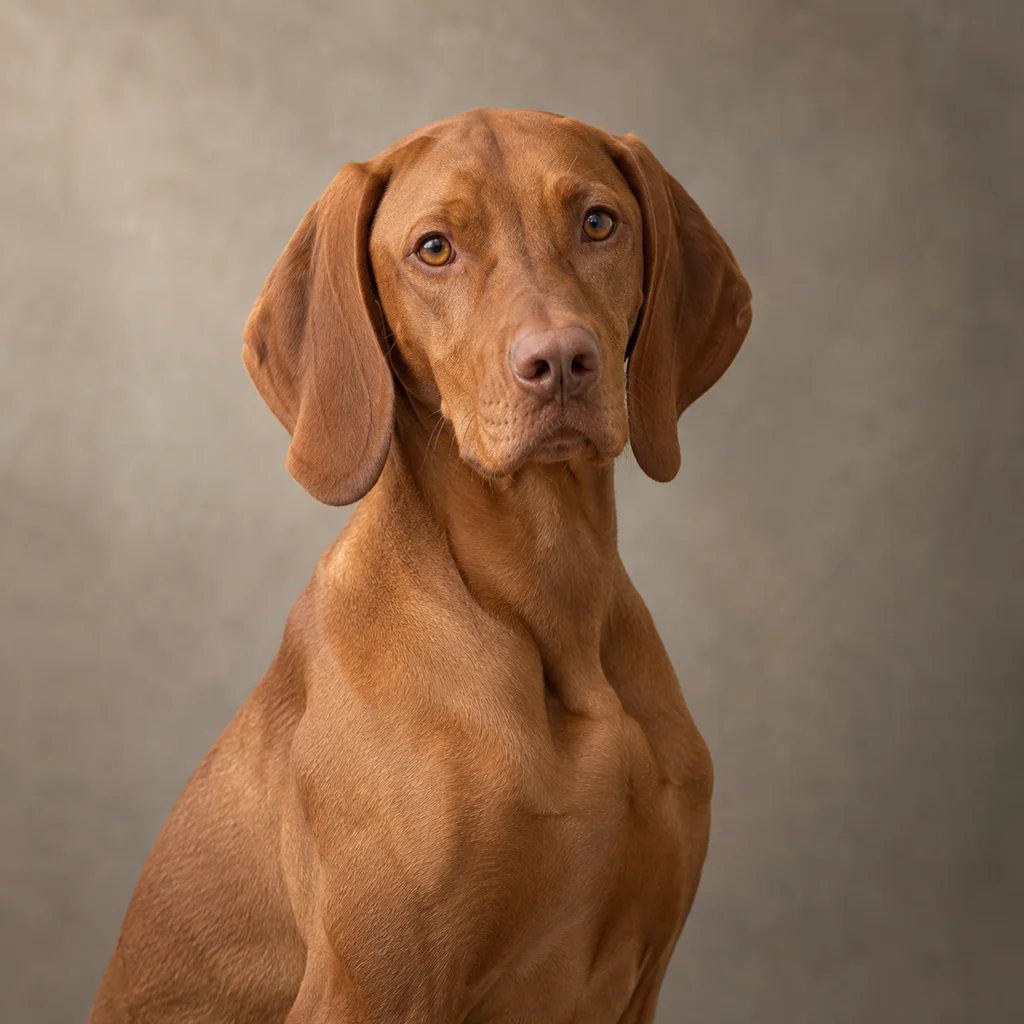
Vizsla
This Hungarian pointer nearly vanished after the Second World War, then was rebuilt from surviving dogs.
Medium · Gundog