Hound group · Belgium/France
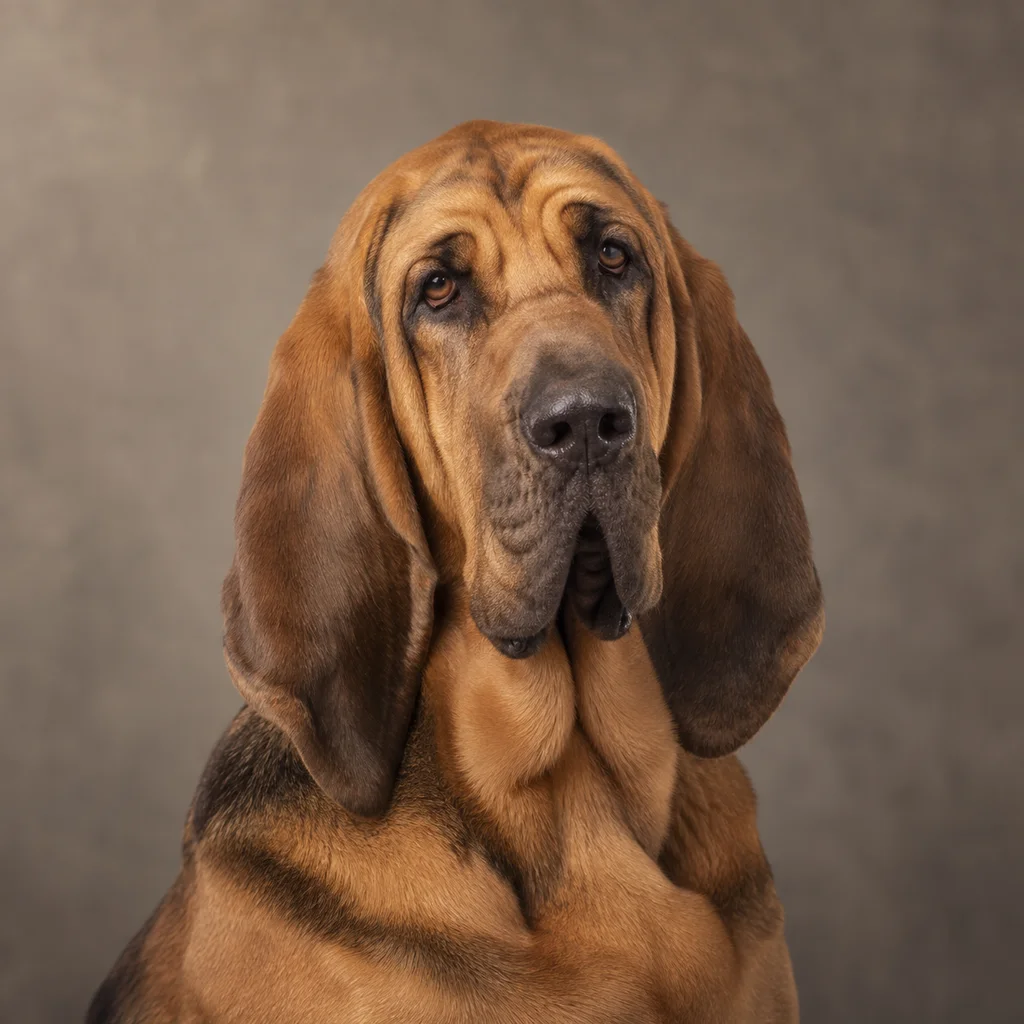
Bloodhound
Also called Sleuth Hound, St. Hubert Hound, Chien de Saint-Hubert.
What makes them remarkable
Its tracking reputation goes back to hounds bred by monks at the Saint-Hubert monastery in Belgium.
- Gentle
- Patient
- Noble
- Affectionate
- Stubborn
- Size
- Large
- Weight
- 36 to 50 kg80 to 110 lb
- Lives
- 10 to 12 years
- Energy
- Moderate
- Trains
- Low
- Barks
- High
Training
Training a Bloodhound
Hound breeds. Recall is the whole game. Build it on a long line before you trust it, and never punish a slow return.
The nose wins
Start here
Their nose rules everything. Train indoors and in dull places first, and accept that once they catch a scent, you come second.
Lead Training Early
These powerful dogs will drag you if they catch a scent. Establish lead manners before they reach full size.
Patience is Essential
Bloodhounds are not stubborn out of defiance but because their nose overrides everything. Use high-value treats and keep sessions short.
The app turns this into five to fifteen minutes a day.
Add your Bloodhound and it builds the plan around their age, where they came from and what they already know, one step at a time.

Free to start. iPhone. No card needed.
At home
Living with one
Bred to hunt by scent or sight, often far from the handler. Independent, with a nose or eyes that override you.
Gets on with
- ChildrenHigh
- Other dogsHigh
- StrangersModerate
- CatsModerate
Breed averages. Early socialisation and the individual dog matter more.
- Exercise
- 1-2 hours daily. Loves long walks with plenty of sniffing time. Nose work and tracking activities are ideal.
- Grooming
- Moderate maintenance. Weekly brushing, regular ear cleaning, and frequent wrinkle cleaning. Drool management is constant.
- Drool
- Very High
- Coat
- Short, DenseBlack and Tan, Liver and Tan, Red
- In a flat
- Needs more space than a flat gives.
Health
Things to ask a breeder or vet about
Bloat (GDV)
Severe
Deep-chested breed highly prone to gastric torsion; preventive gastropexy recommended
Hip Dysplasia
Moderate
Common in large breeds, causes mobility issues over time
Ear Infections
Moderate
Long, pendulous ears trap moisture and debris, requiring frequent cleaning
Where they come from
History
Bred by monks at the Saint-Hubert Monastery in Belgium over 1,000 years ago. Their scenting ability is so accurate that their tracking results are admissible as evidence in courts of law.
- Trusty · Loyal Bloodhound friend from the Disney classic
- McGruff the Crime Dog · Crime prevention mascot often depicted as a Bloodhound
Similar breeds
All breeds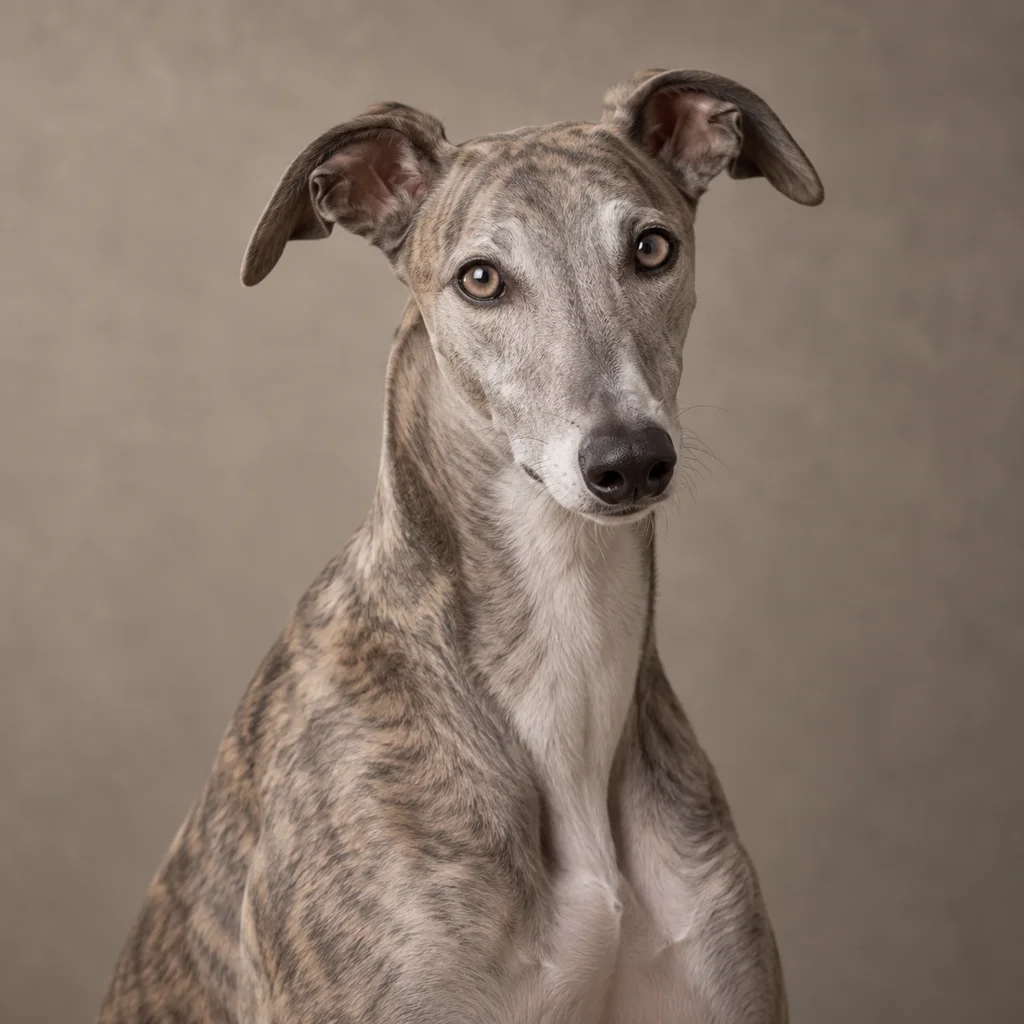
Greyhound
A sprinter capable of around 45 mph, the Greyhound was bred to chase by sight.
Large · Hound
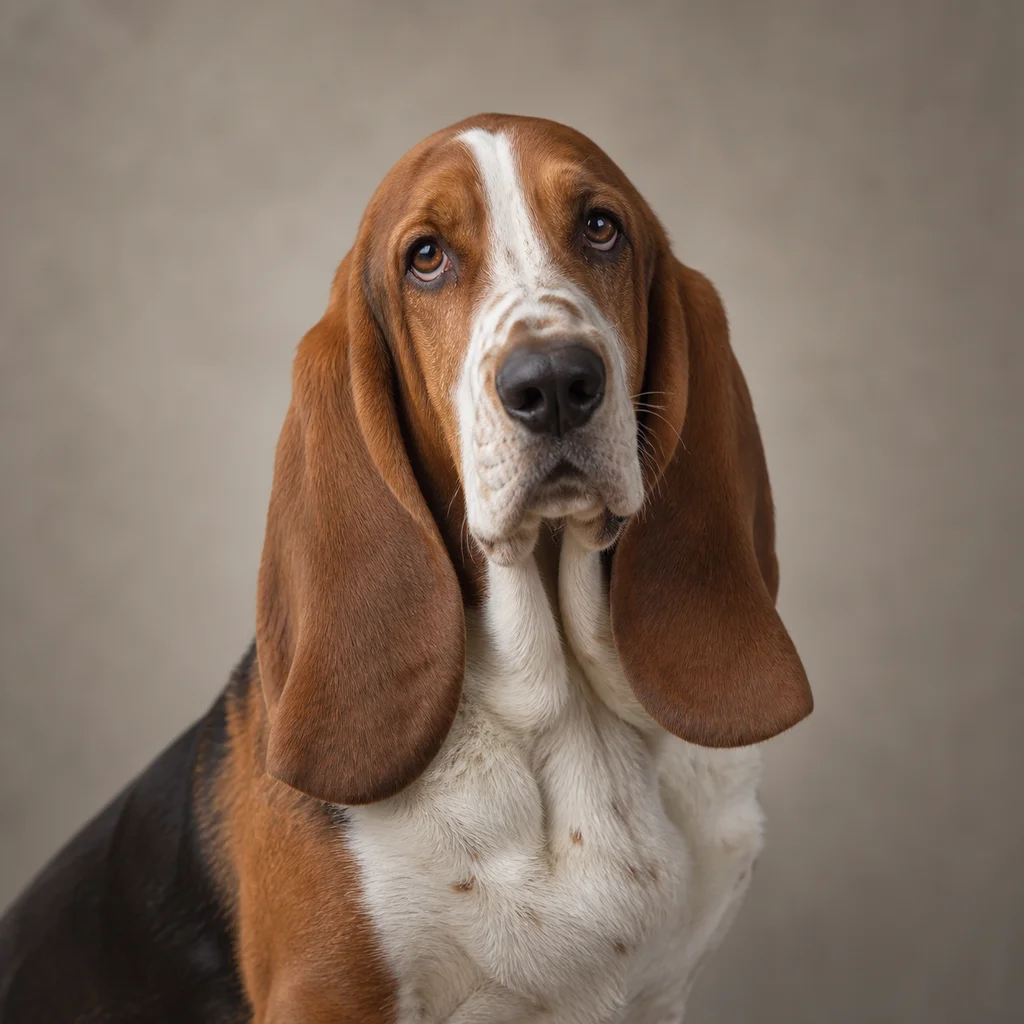
Basset Hound
“Basset” comes from the French word for low: this scent hound was developed to hunt close to the ground.
Medium · Hound
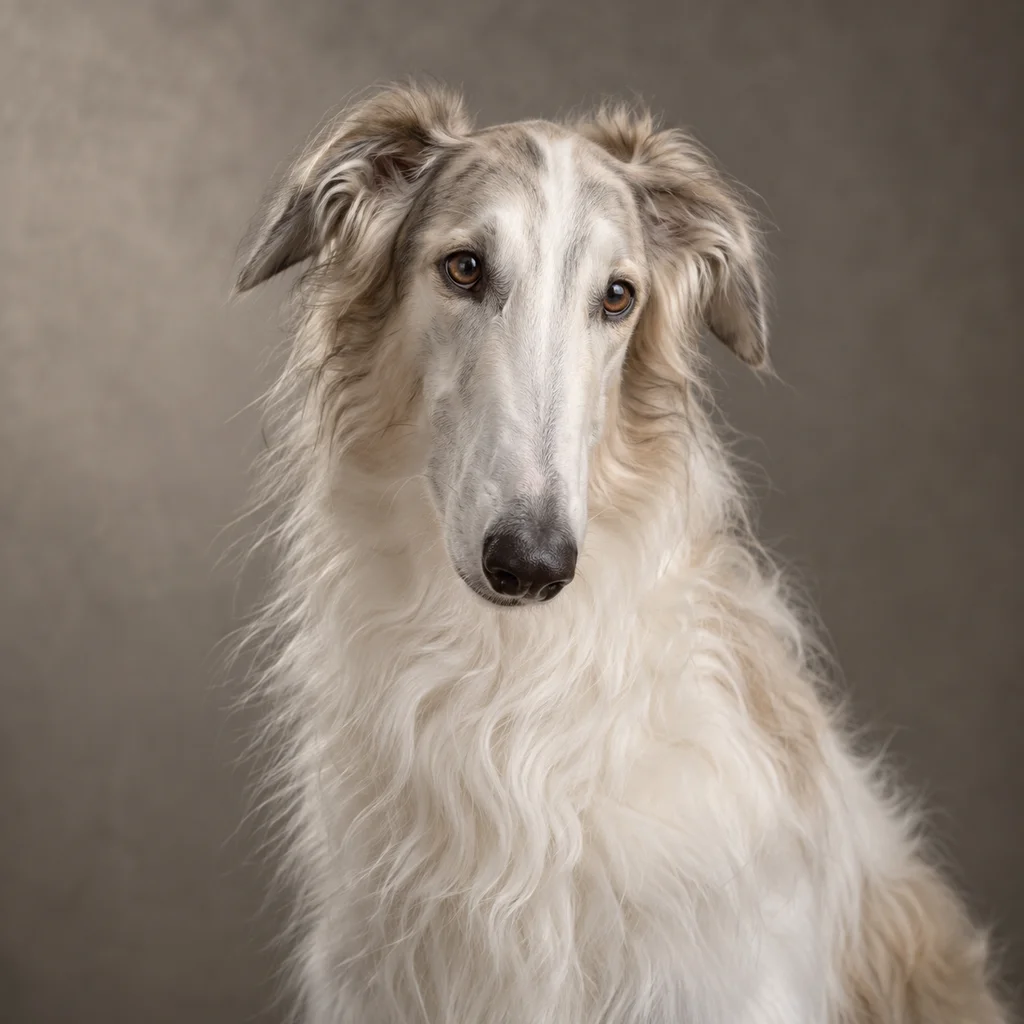
Borzoi
Russian aristocrats used this elegant sighthound to hunt wolves, sometimes in enormous organised hunts.
Large · Hound
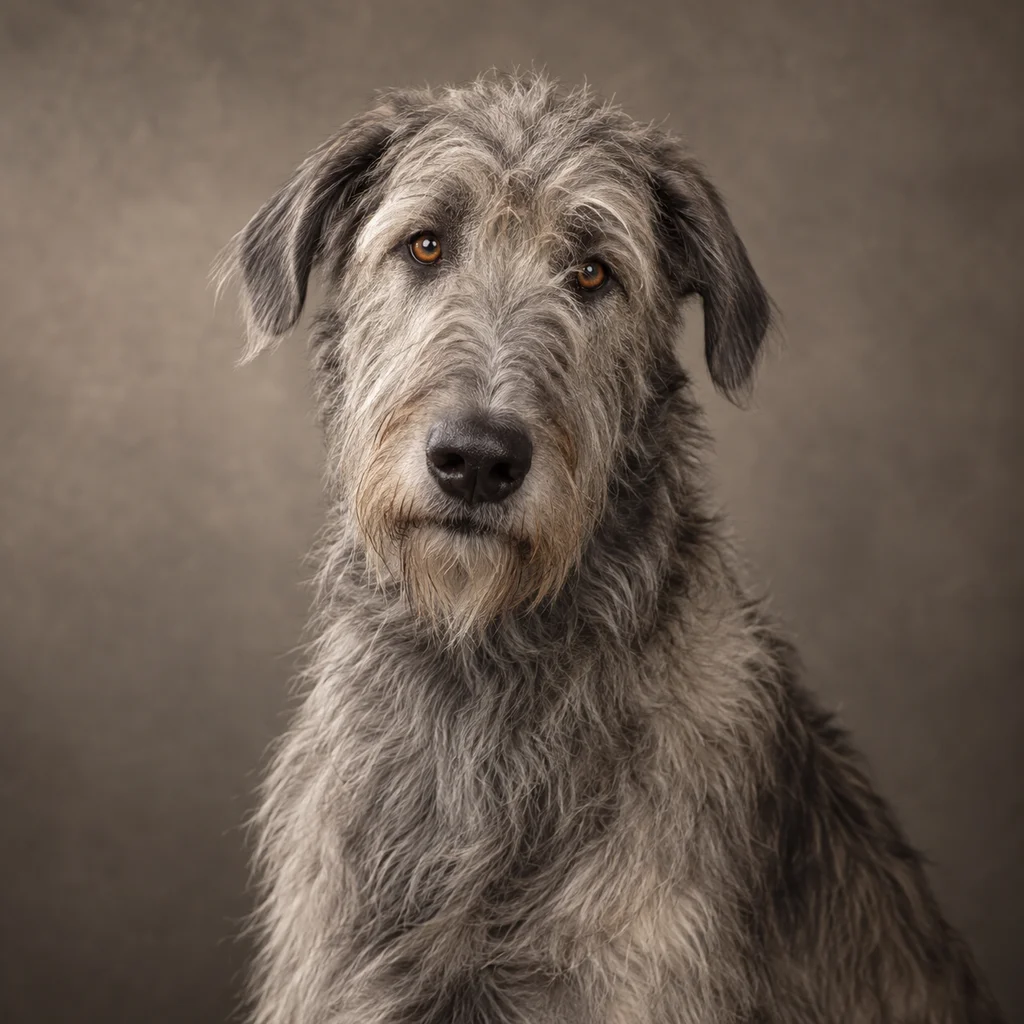
Irish Wolfhound
Once used to hunt wolves, this towering hound had to be revived when the breed itself nearly disappeared.
Giant · Hound