Gundog group · Scotland
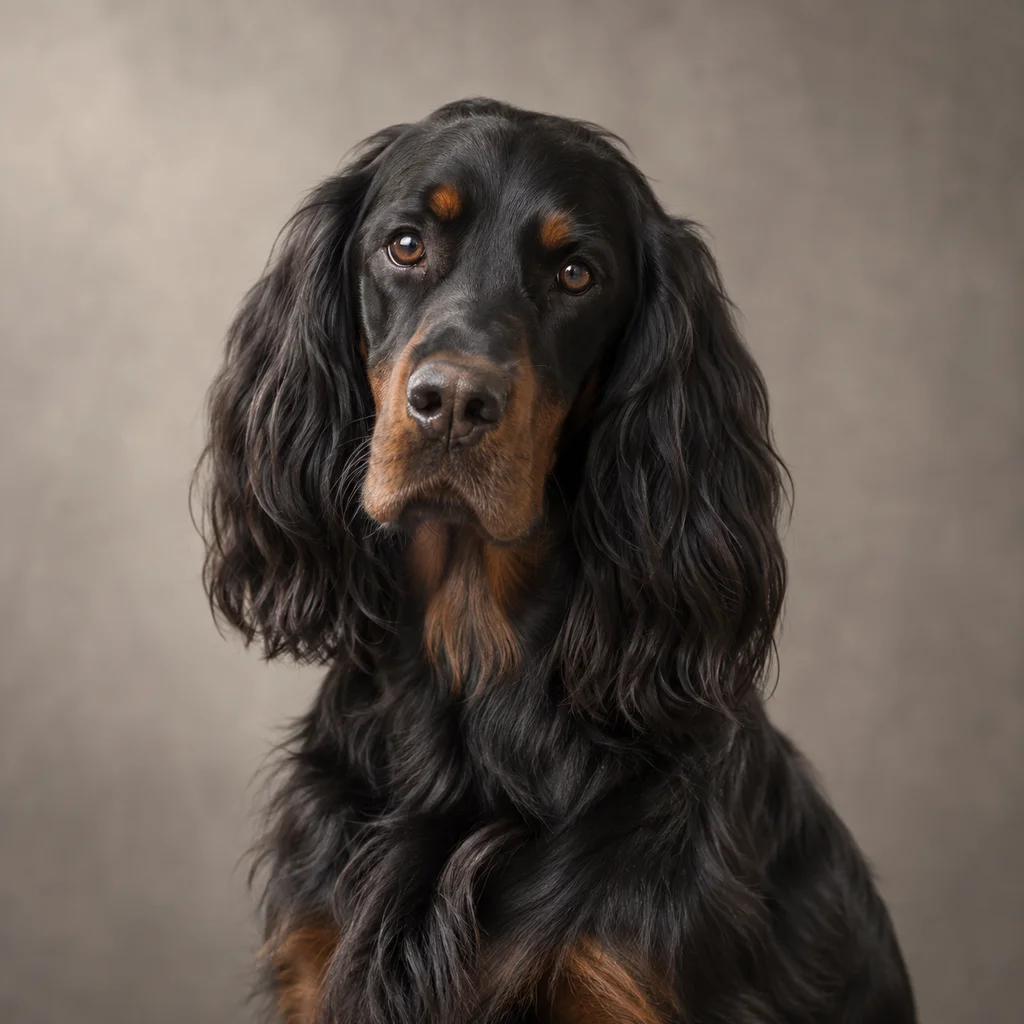
Gordon Setter
Also called Black and Tan Setter, Scottish Setter.
What makes them remarkable
The Scottish setter was shaped for stamina on rough ground, rather than just a flashy turn of speed.
- Confident
- Fearless
- Alert
- Loyal
- Capable
- Size
- Large
- Weight
- 25 to 36 kg55 to 80 lb
- Lives
- 12 to 13 years
- Energy
- High
- Trains
- Moderate
- Barks
- Moderate
Training
Training a Gordon Setter
Gundog breeds. Quick to learn and quick to get over-excited. The work is calm around distractions, not obedience.
Consistent and Patient
Start here
This breed needs clear, consistent rules but responds poorly to harsh methods. Reward generously and stay patient.
Respect Their Intelligence
Gordons are thoughtful dogs who may pause to consider commands. This is contemplation, not defiance.
Field Work
The heaviest setter, they work methodically. Provide hunting or scent work to satisfy instincts.
The app turns this into five to fifteen minutes a day.
Add your Gordon Setter and it builds the plan around their age, where they came from and what they already know, one step at a time.

Free to start. iPhone. No card needed.
At home
Living with one
Bred to find, flush and retrieve game alongside a person. Biddable, busy, and happiest with a job.
Gets on with
- ChildrenHigh
- Other dogsModerate
- StrangersModerate
- CatsModerate
Breed averages. Early socialisation and the individual dog matter more.
- Exercise
- 1-2 hours daily. Needs vigorous exercise and mental stimulation. Excellent hiking companion.
- Grooming
- Moderate. Brush 2-3 times weekly to maintain coat and prevent matting on feathering.
- Drool
- Low
- Coat
- Long, Silky, Slightly wavy, FeatheredBlack and Tan
- In a flat
- Needs more space than a flat gives.
Health
Things to ask a breeder or vet about
Hip Dysplasia
Moderate
Joint malformation affecting mobility and comfort
Bloat (GDV)
Severe
Potentially fatal stomach torsion, preventive gastropexy may be recommended
Hypothyroidism
Mild
Thyroid hormone deficiency causing weight gain and lethargy
Where they come from
History
Developed in Scotland at Gordon Castle by the 4th Duke of Gordon in the late 1700s. The only Scottish setter breed, they were bred for stamina and the ability to work all day in harsh Scottish terrain. Known for being more methodical and reliable than flashier setters.
- Beauty · Daniel Webster's Gordon Setter who helped popularise the breed in America in the 1840s
Similar breeds
All breeds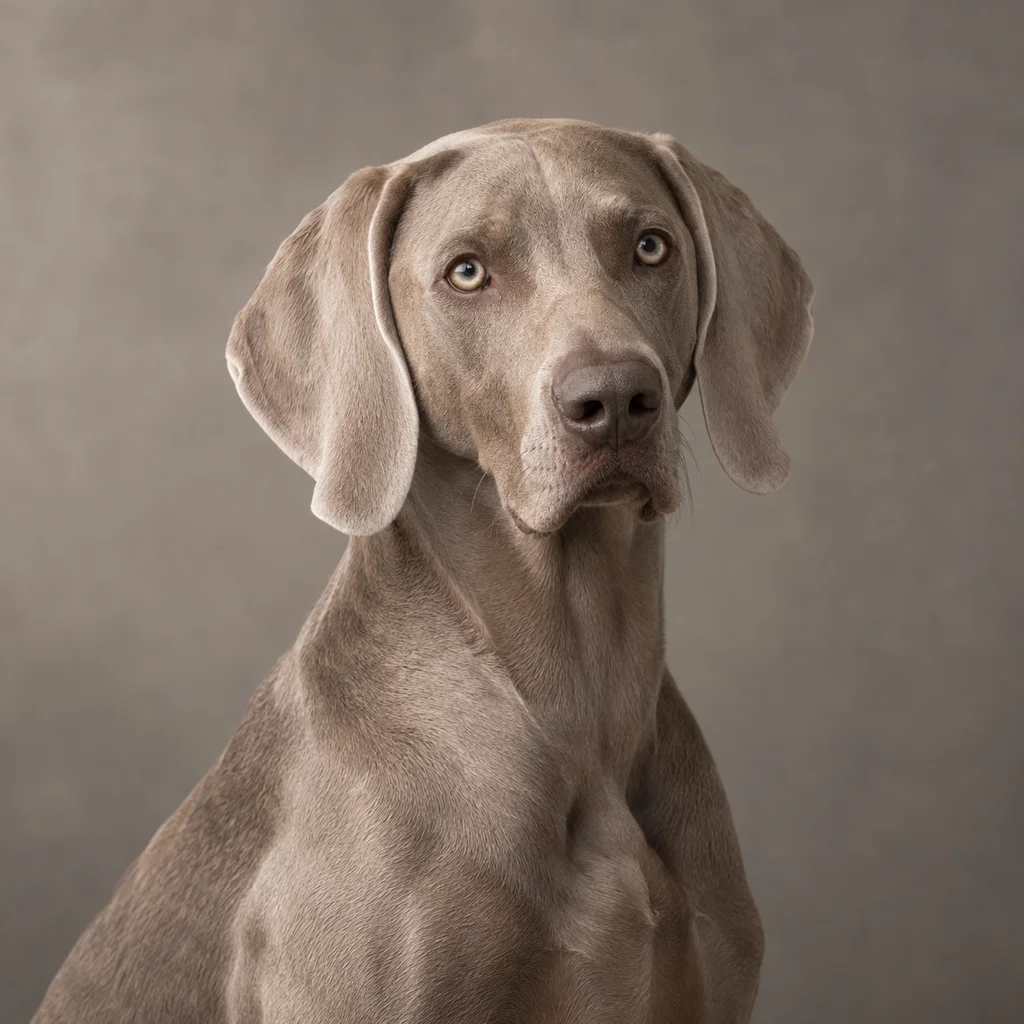
Weimaraner
Its silver-grey coat earned the nickname “Grey Ghost”; its original work included hunting boar and deer.
Large · Gundog
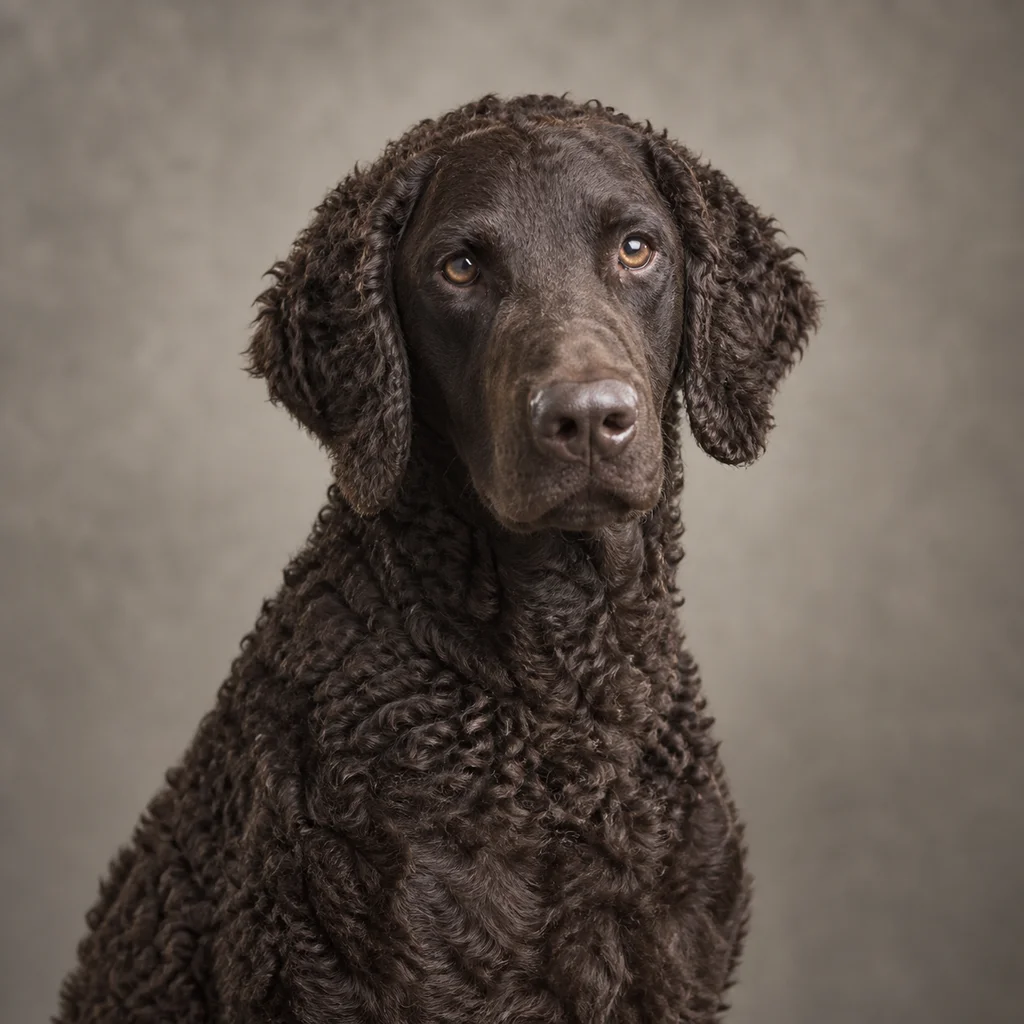
Curly-Coated Retriever
Those tight curls are more than a look: they help protect a retrieving dog working in cold water.
Large · Gundog
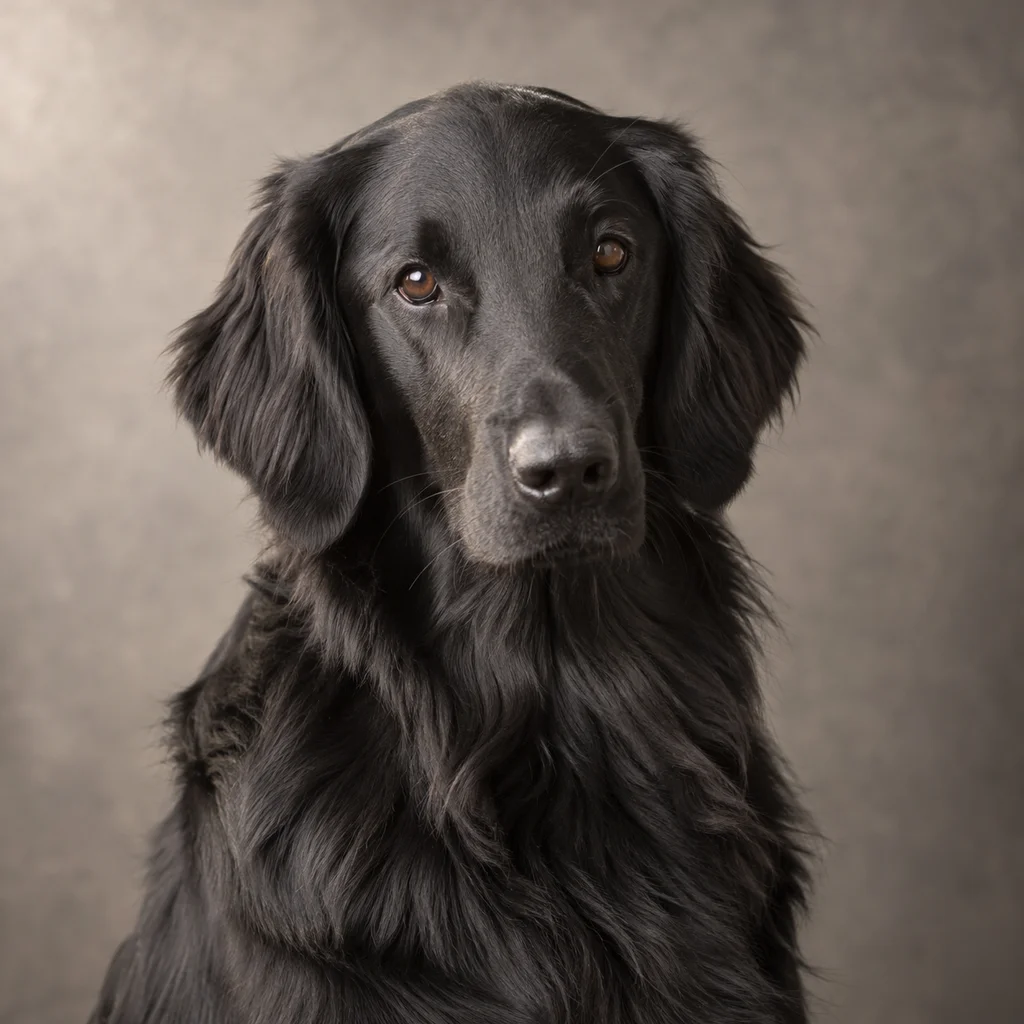
Flat-Coated Retriever
Before Labradors and Goldens rose to prominence, the Flat-Coat was a leading choice of retriever.
Large · Gundog
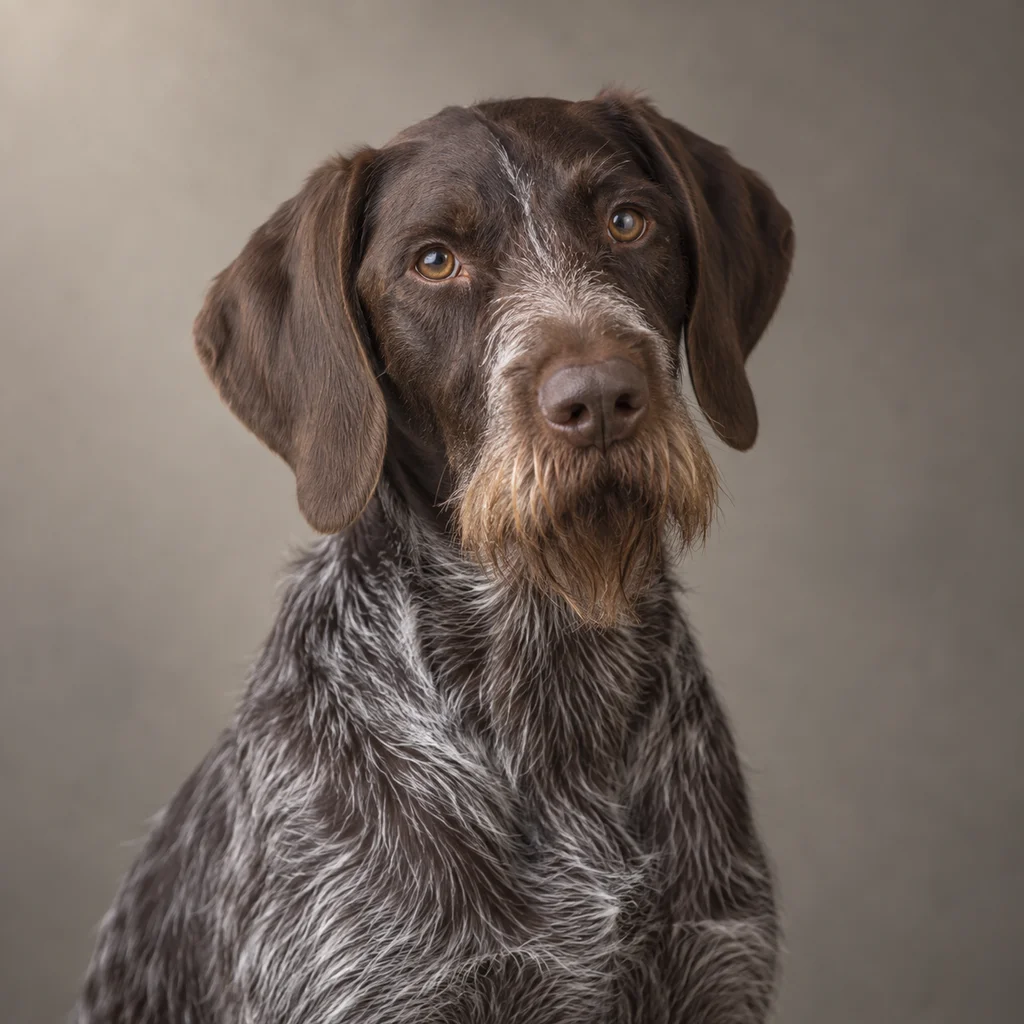
German Wirehaired Pointer
That beard and wiry coat were working equipment, helping protect a hunting dog in rough undergrowth.
Large · Gundog