Gundog group · England
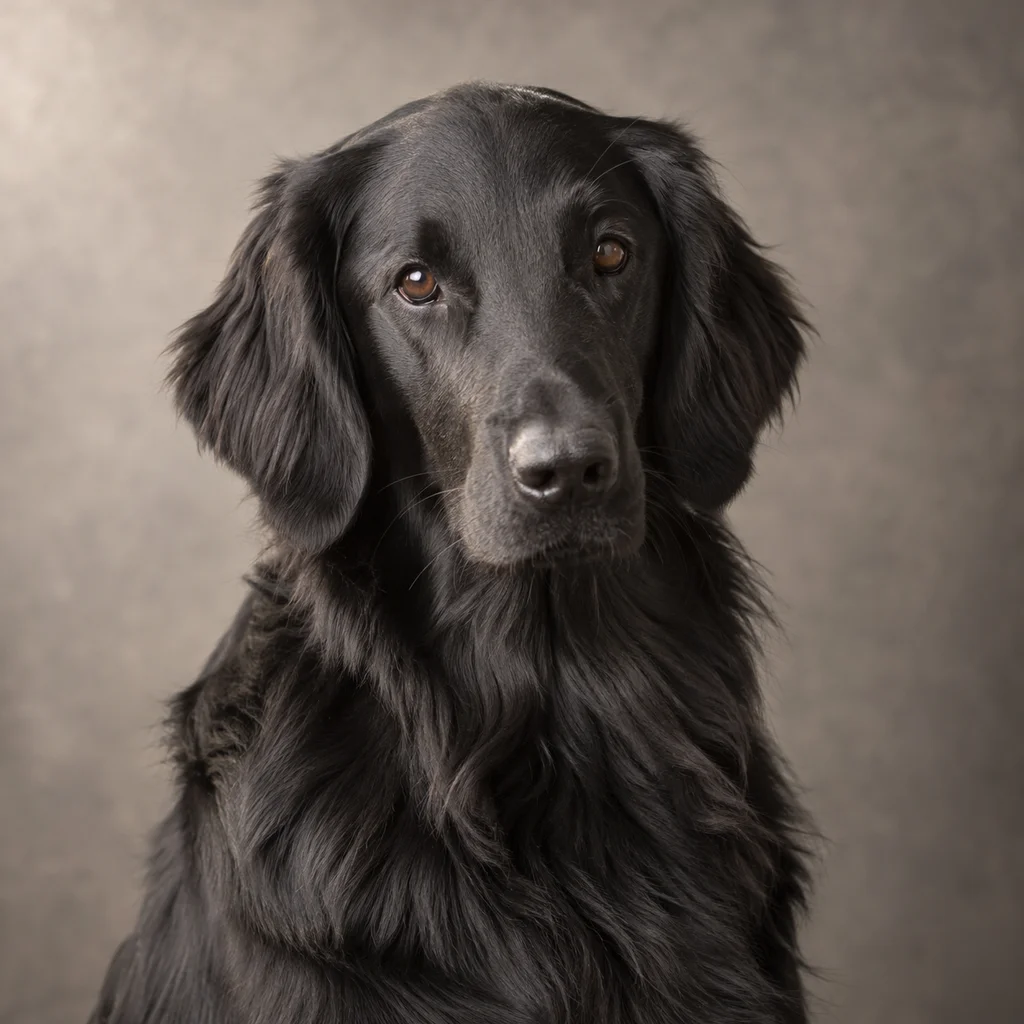
Flat-Coated Retriever
Also called Flatcoat, Flattie.
What makes them remarkable
Before Labradors and Goldens rose to prominence, the Flat-Coat was a leading choice of retriever.
- Cheerful
- Optimistic
- Friendly
- Confident
- Devoted
- Size
- Large
- Weight
- 27 to 32 kg60 to 70 lb
- Lives
- 8 to 10 years
- Energy
- High
- Trains
- High
- Barks
- Moderate
Training
Training a Flat-Coated Retriever
Gundog breeds. Quick to learn and quick to get over-excited. The work is calm around distractions, not obedience.
Keep It Fun
Start here
This joyful breed responds best to upbeat, game-based training. Boring repetition leads to disengagement.
Forever Young
Flat-Coats maintain puppy-like enthusiasm throughout life. Adjust expectations and enjoy their playful spirit.
Sensitive to Correction
Harsh methods shut down this sensitive breed. Rewards keep their natural enthusiasm alive.
The app turns this into five to fifteen minutes a day.
Add your Flat-Coated Retriever and it builds the plan around their age, where they came from and what they already know, one step at a time.

Free to start. iPhone. No card needed.
At home
Living with one
Bred to find, flush and retrieve game alongside a person. Biddable, busy, and happiest with a job.
Gets on with
- ChildrenVery High
- Other dogsHigh
- StrangersHigh
- CatsModerate
Breed averages. Early socialisation and the individual dog matter more.
- Exercise
- 1-2 hours daily. Active play, retrieving, and swimming. Maintains high energy throughout life.
- Grooming
- Moderate. Weekly brushing to prevent mats. Feathering on legs and tail needs attention.
- Drool
- Low
- Coat
- Medium length, Flat, Dense, FeatheredSolid Black, Solid Liver
- In a flat
- Needs more space than a flat gives.
Health
Things to ask a breeder or vet about
Cancer
Severe
High incidence of various cancers, particularly hemangiosarcoma and osteosarcoma
Hip Dysplasia
Moderate
Joint condition requiring health screening
Patellar Luxation
Mild
Kneecap displacement
Where they come from
History
Developed in England in the mid-1800s, the Flat-Coat was the most popular retriever before Labs and Goldens. Created from crosses of setters, water spaniels, and possibly collies. Nearly extinct after both World Wars, the breed was carefully revived but remains less common.
Similar breeds
All breeds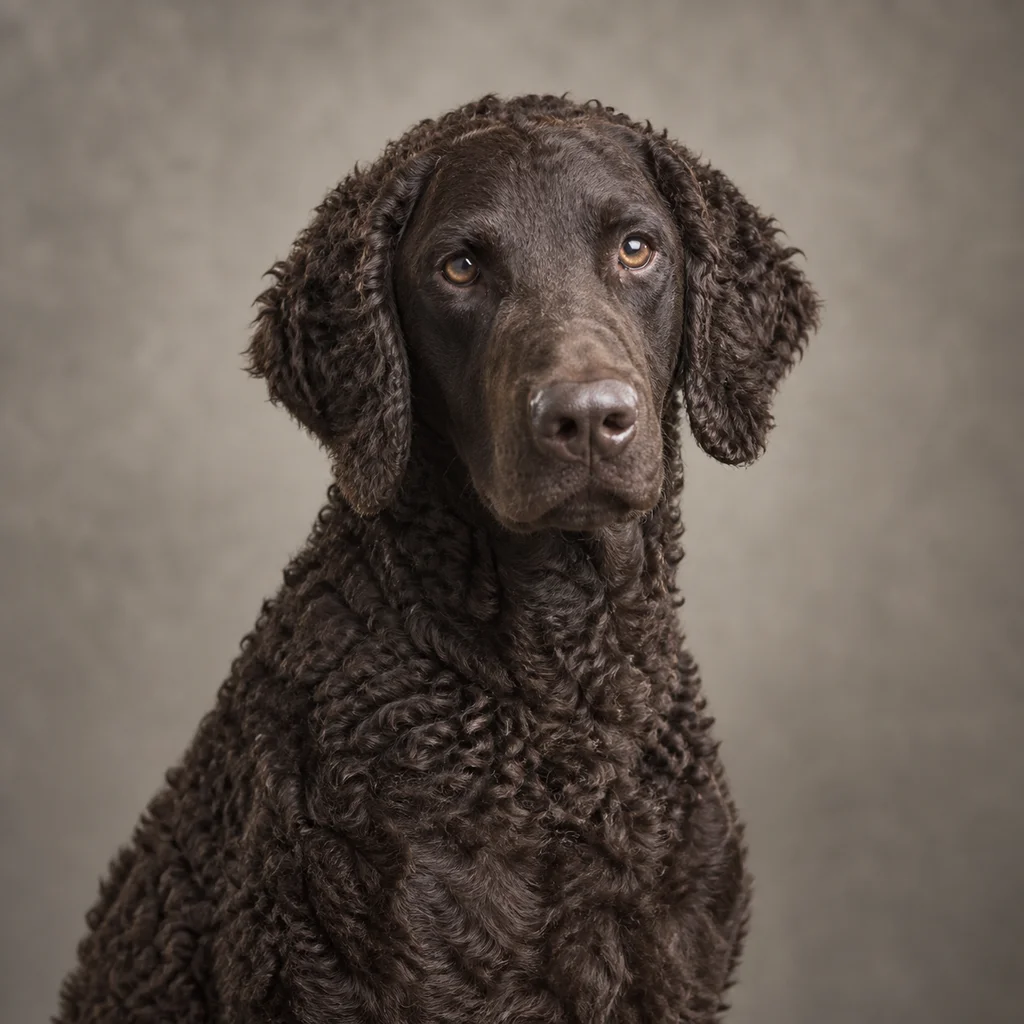
Curly-Coated Retriever
Those tight curls are more than a look: they help protect a retrieving dog working in cold water.
Large · Gundog
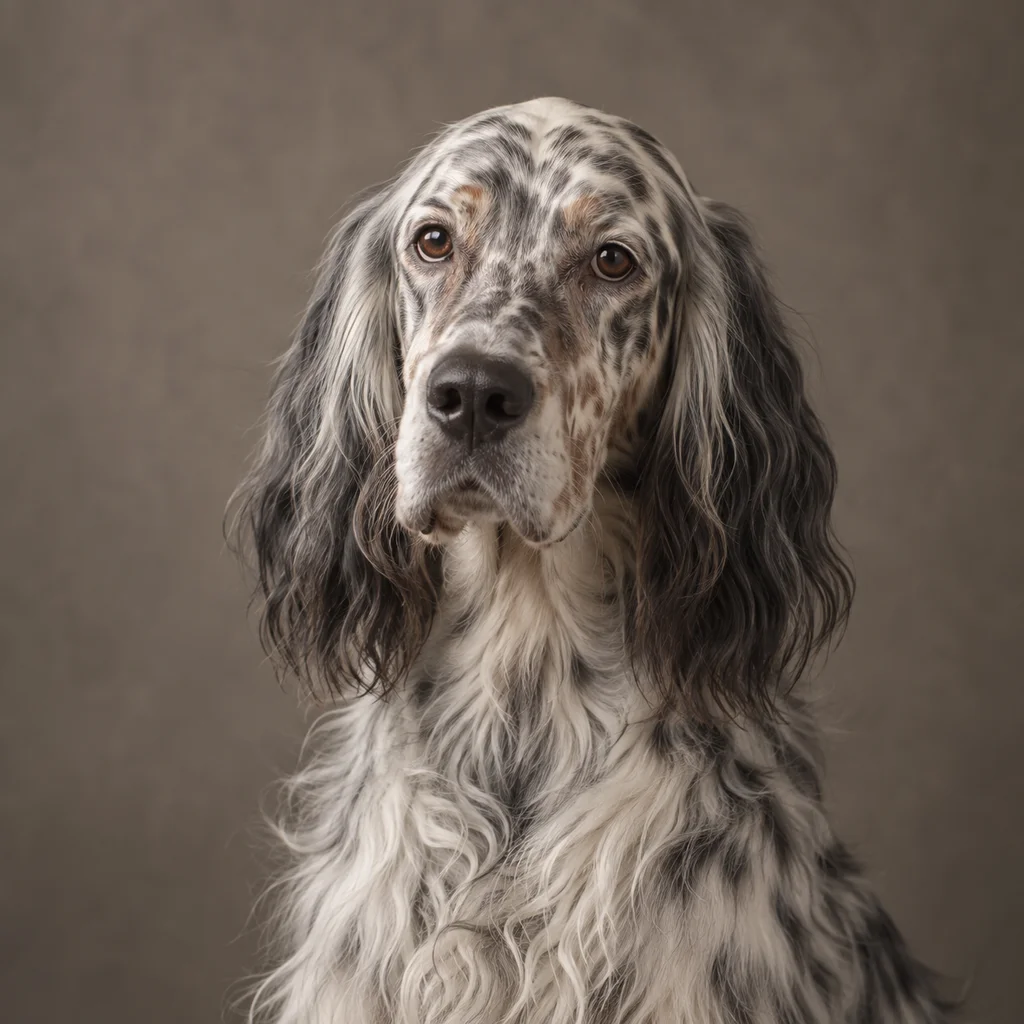
English Setter
“Setter” describes its old job: crouching low, or “setting”, to show hunters where birds were hiding.
Large · Gundog
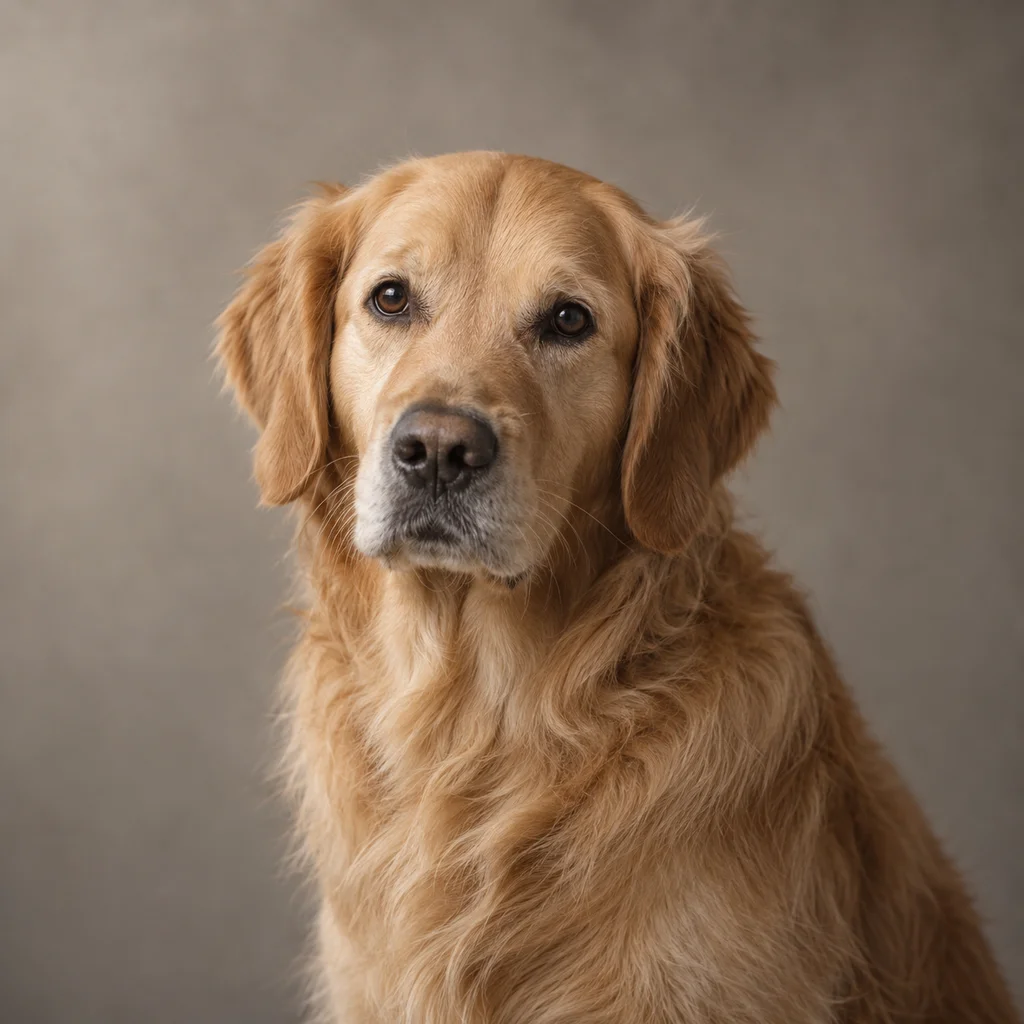
Golden Retriever
This family favourite began as a Scottish waterfowl retriever, developed on Lord Tweedmouth’s estate.
Large · Gundog
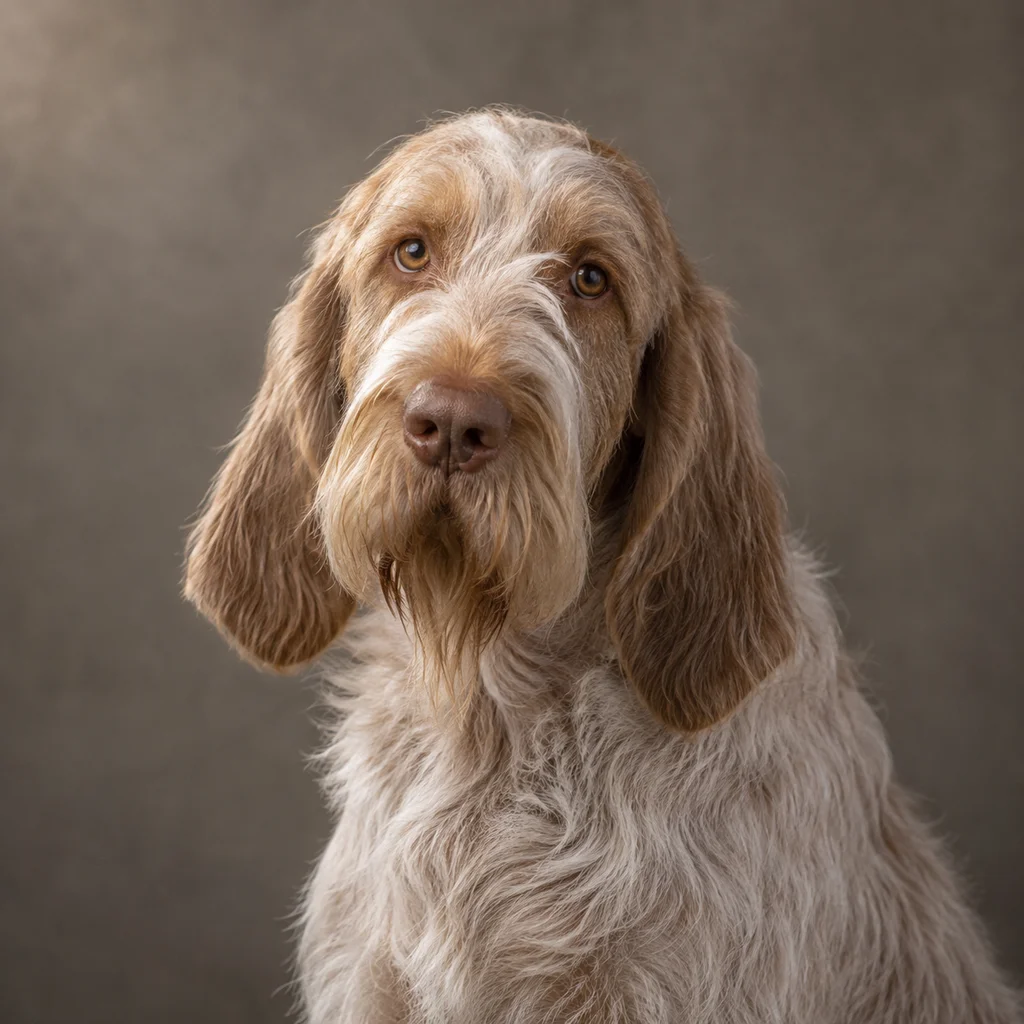
Spinone Italiano
That shaggy Italian pointer was developed to work through difficult terrain in search of game birds.
Large · Gundog