Utility group · United States
Boston Terrier
Also called Boston, American Gentleman, Boston Bull.
What makes them remarkable
Its hometown is in its name: this American companion was developed in 19th-century Boston.
- Friendly
- Bright
- Amusing
- Gentle
- Lively
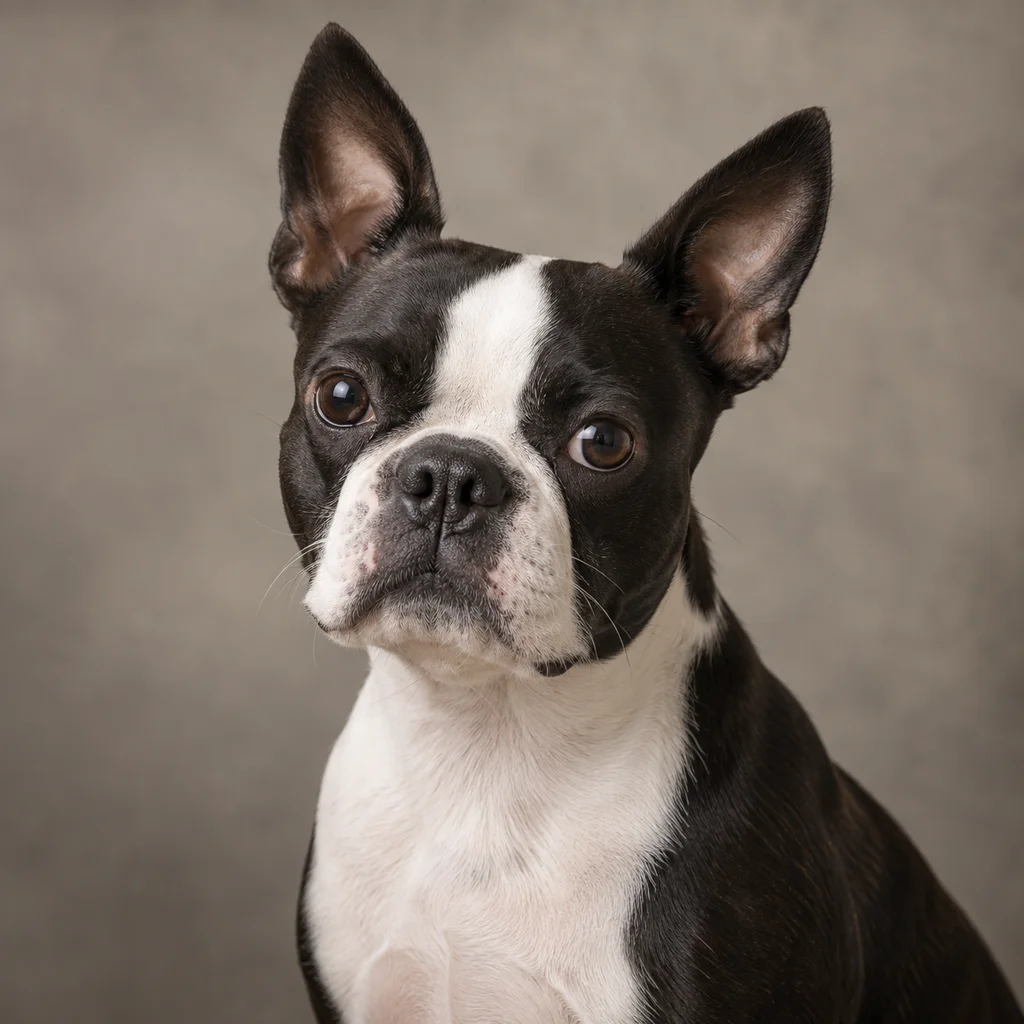
- Size
- Small
- Weight
- 5 to 11 kg12 to 25 lb
- Lives
- 11 to 13 years
- Energy
- Moderate
- Trains
- High
- Barks
- Low
Training
Training a Boston Terrier
Utility breeds. Many of these think before they obey. Earn compliance with reward and consistency; they do not do it for free.
Rewards first
Start here
Bostons are sensitive to tone of voice and respond best to praise and treats. Harsh corrections make them shut down.
Short Training Sessions
Breathing limitations require breaks. Keep sessions to 10-15 minutes in cool environments.
Housetraining Patience
Can be slow to housetrain. Maintain consistent schedule and reward outdoor elimination.
The app turns this into five to fifteen minutes a day.
Add your Boston Terrier and it builds the plan around their age, where they came from and what they already know, one step at a time.

Free to start. iPhone. No card needed.
At home
Living with one
Breeds developed for a job that no longer exists or never fitted a group. Includes the spitz and primitive breeds.
Gets on with
- ChildrenHigh
- Other dogsHigh
- StrangersHigh
- CatsHigh
Breed averages. Early socialisation and the individual dog matter more.
- Exercise
- 30-60 minutes daily. Short walks and play sessions. Avoid exercise in heat or humidity.
- Grooming
- Low maintenance. Weekly brushing and occasional baths. Clean facial wrinkles regularly.
- Drool
- Low
- Coat
- Short, SmoothBlack & White, Brindle & White, Seal & White
- In a flat
- Can work, with enough exercise outside it.
Health
Things to ask a breeder or vet about
Brachycephalic Syndrome
Moderate
Breathing difficulties due to shortened skull; avoid heat and strenuous exercise
Patellar Luxation
Moderate
Kneecap displacement common in small breeds
Eye Problems
Moderate
Prominent eyes prone to cataracts, cherry eye, and corneal ulcers
Where they come from
History
Developed in Boston in the late 1800s by crossing English Bulldogs with white English Terriers. Originally bred for pit fighting but quickly became a beloved companion. First American breed to be recognised by the AKC in 1893.
- Sergeant Stubby · Most decorated war dog of WWI, served 18 months in combat and detected gas attacks
Similar breeds
All breeds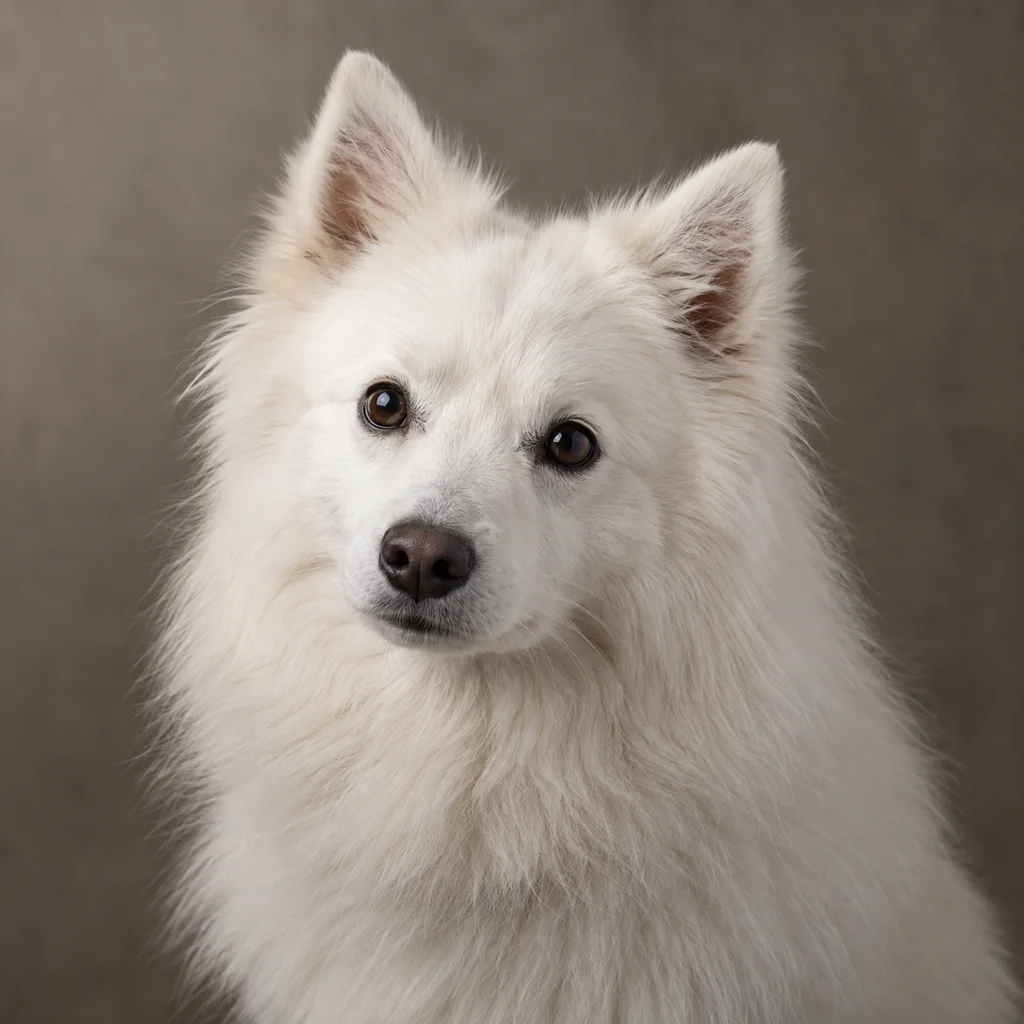
American Eskimo Dog
Despite its name, this breed descends from German Spitz dogs and became famous in American circuses.
Small · Utility
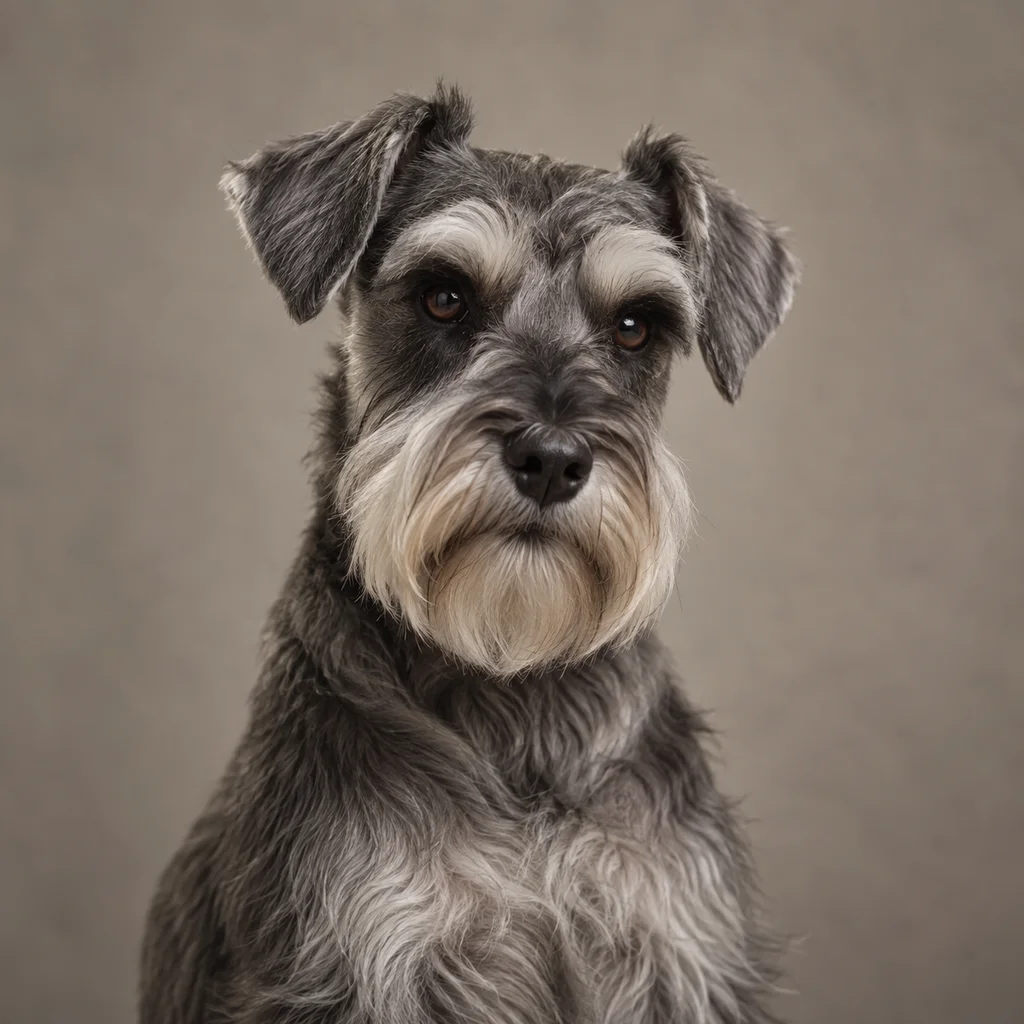
Miniature Schnauzer
This little bearded dog was developed by crossing the farm-working Standard Schnauzer with smaller breeds.
Small · Utility
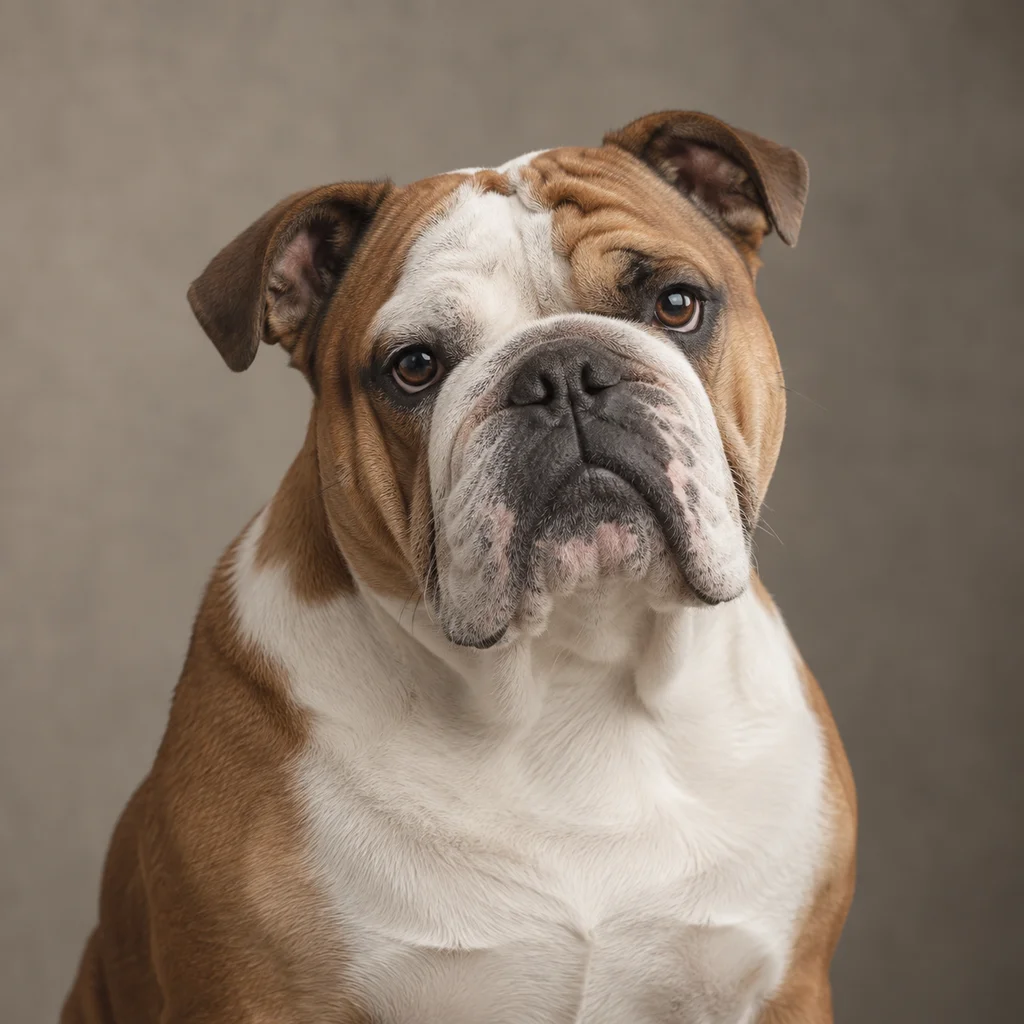
Bulldog
After bull-baiting was banned in 1835, breeders steered the Bulldog towards life as a companion.
Medium · Utility
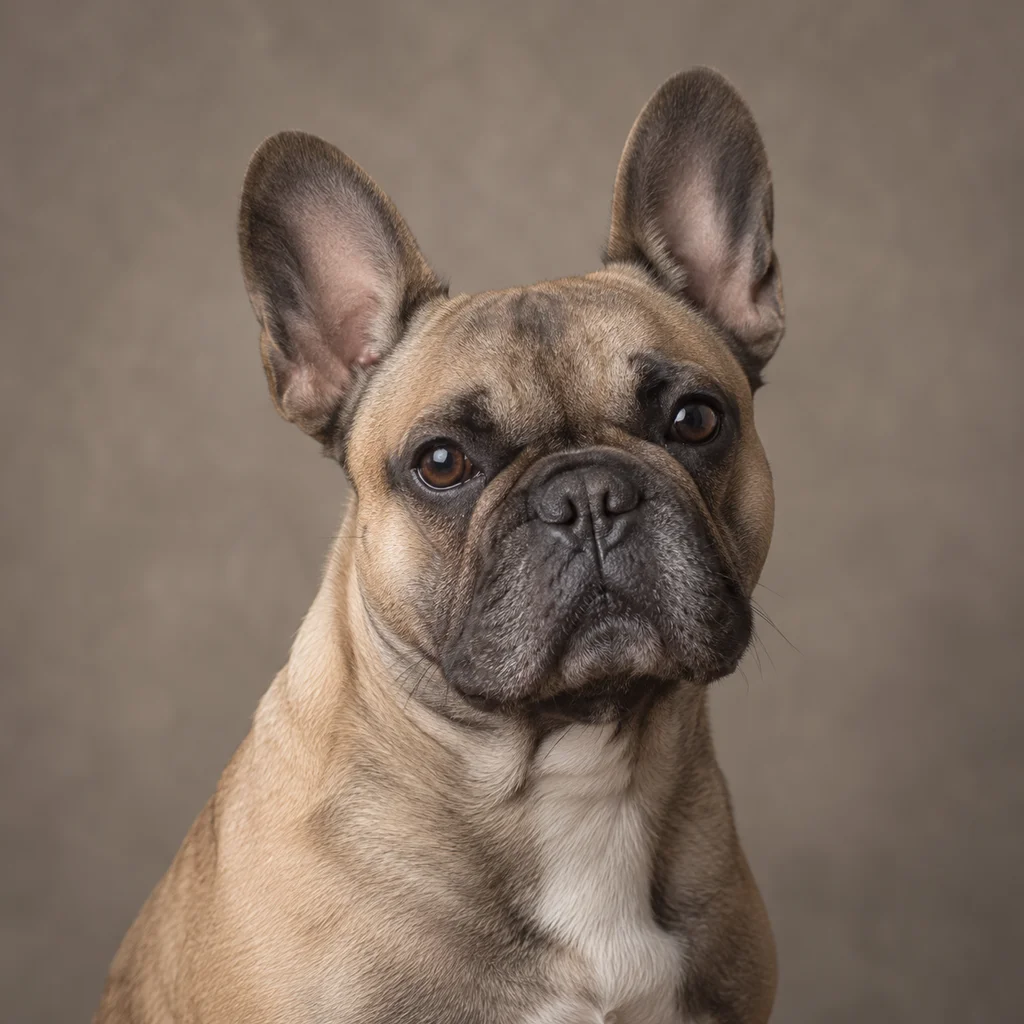
French Bulldog
The Frenchie’s story crosses the Channel: English lace workers brought small Bulldogs with them to France.
Small · Utility