Utility group · United States
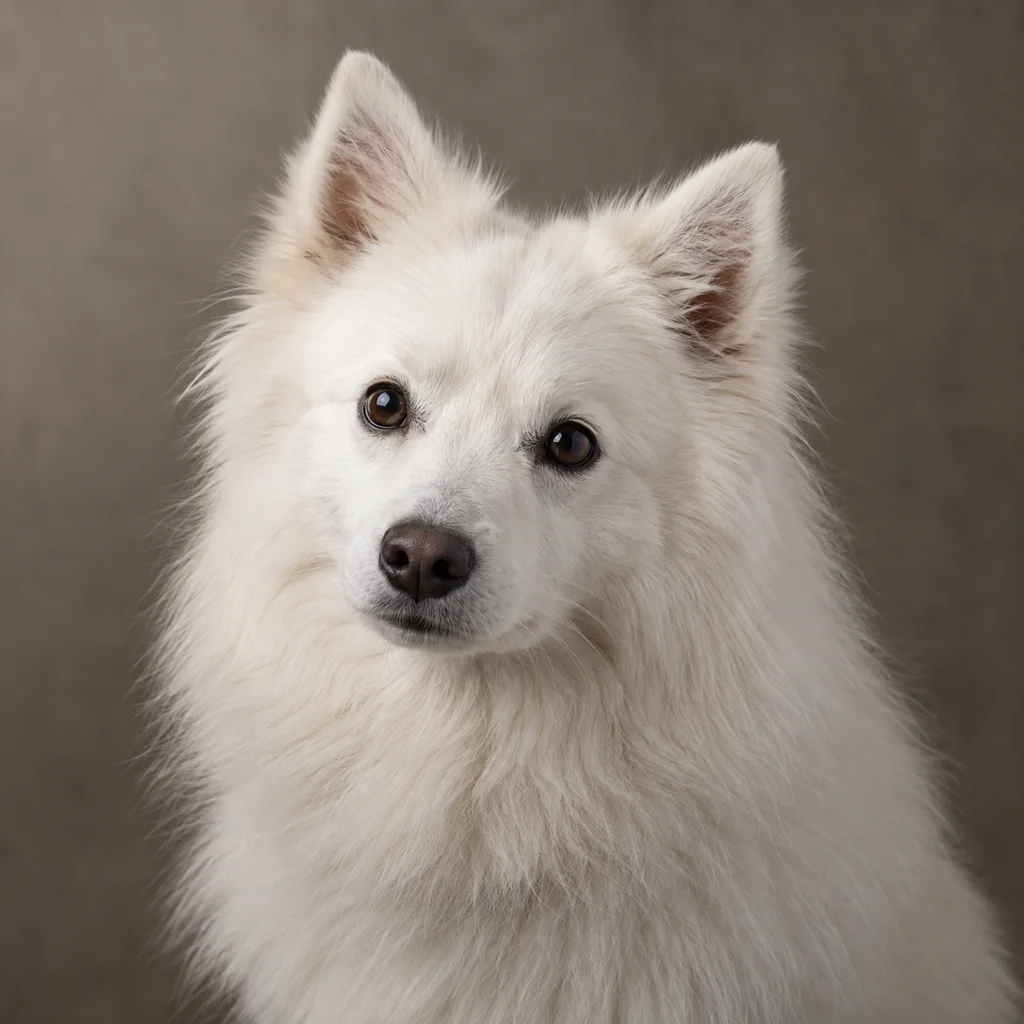
American Eskimo Dog
Also called Eskie, American Spitz.
What makes them remarkable
Despite its name, this breed descends from German Spitz dogs and became famous in American circuses.
- Playful
- Perky
- Smart
- Alert
- Friendly
- Size
- Small
- Weight
- 3 to 16 kg6 to 35 lb
- Lives
- 13 to 15 years
- Energy
- High
- Trains
- Very High
- Barks
- High
Training
Training an American Eskimo Dog
Utility breeds. Many of these think before they obey. Earn compliance with reward and consistency; they do not do it for free.
Early Socialisation
Start here
Can be reserved with strangers. Extensive early exposure prevents excessive wariness.
Eager Learners
Highly intelligent and trainable. Excel at tricks and obedience. Keep training fun and varied.
Manage Barking
Alert barkers by nature. Teach "quiet" command early and provide adequate stimulation.
The app turns this into five to fifteen minutes a day.
Add your American Eskimo Dog and it builds the plan around their age, where they came from and what they already know, one step at a time.

Free to start. iPhone. No card needed.
At home
Living with one
Breeds developed for a job that no longer exists or never fitted a group. Includes the spitz and primitive breeds.
Gets on with
- ChildrenHigh
- Other dogsHigh
- StrangersModerate
- CatsHigh
Breed averages. Early socialisation and the individual dog matter more.
- Exercise
- 1 hour daily. Active play, walks, and mental stimulation. Excel at dog sports.
- Grooming
- High maintenance. Brushing 2-3 times weekly. Heavy shedding twice yearly.
- Drool
- Very Low
- Coat
- Double coat, Dense undercoat, Long guard hairsWhite, White with Biscuit, Cream
- In a flat
- Can work, with enough exercise outside it.
Health
Things to ask a breeder or vet about
Hip Dysplasia
Moderate
Joint malformation more common in standard size variety
Progressive Retinal Atrophy
Moderate
Inherited eye condition causing gradual vision loss
Patellar Luxation
Mild
Kneecap displacement in smaller varieties
Where they come from
History
Descended from German Spitz breeds brought by immigrants. Became famous as circus performers in the 1900s. Name changed from German Spitz during WWI due to anti-German sentiment.
- Stout's Pal Pierre · Famous 1930s circus dog who walked tightropes with Barnum & Bailey Circus
Similar breeds
All breeds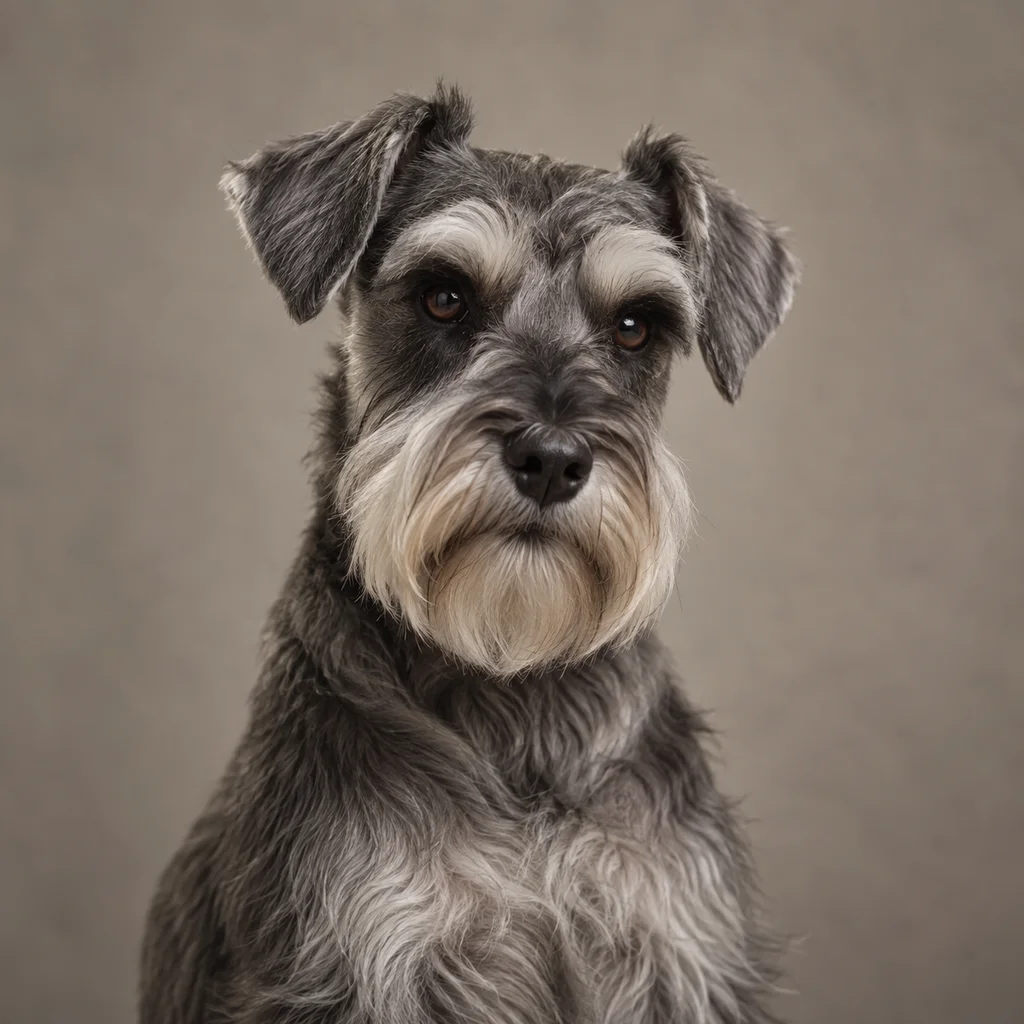
Miniature Schnauzer
This little bearded dog was developed by crossing the farm-working Standard Schnauzer with smaller breeds.
Small · Utility
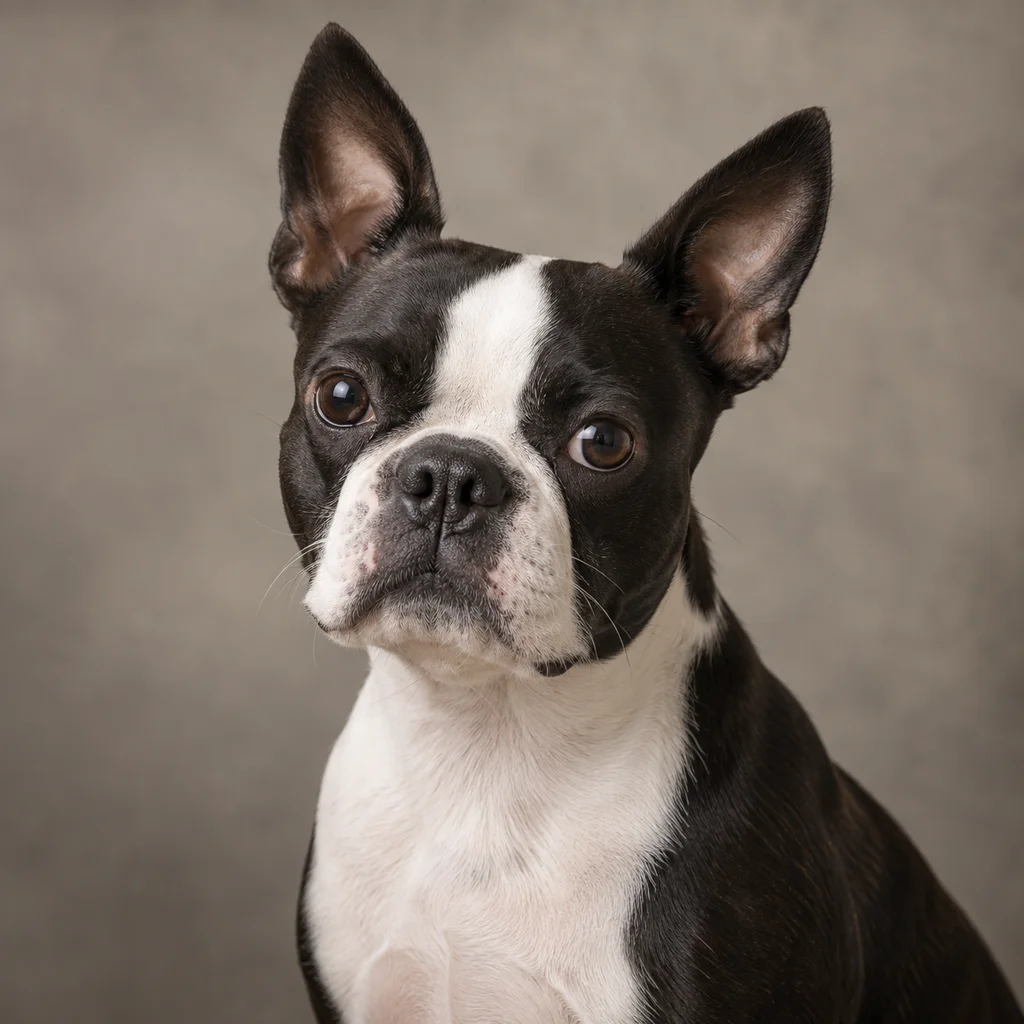
Boston Terrier
Its hometown is in its name: this American companion was developed in 19th-century Boston.
Small · Utility
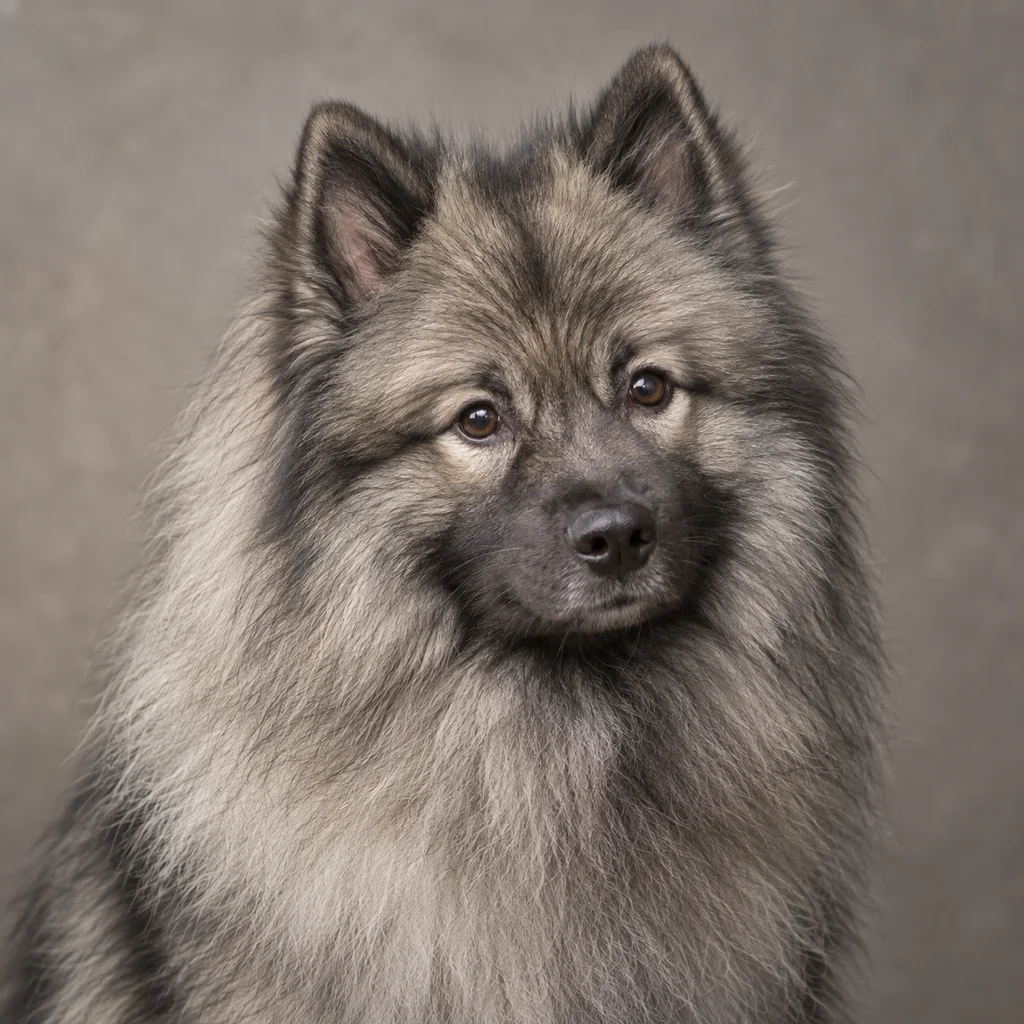
Keeshond
This Dutch barge dog became a symbol of the Patriot political movement in the 18th century.
Medium · Utility
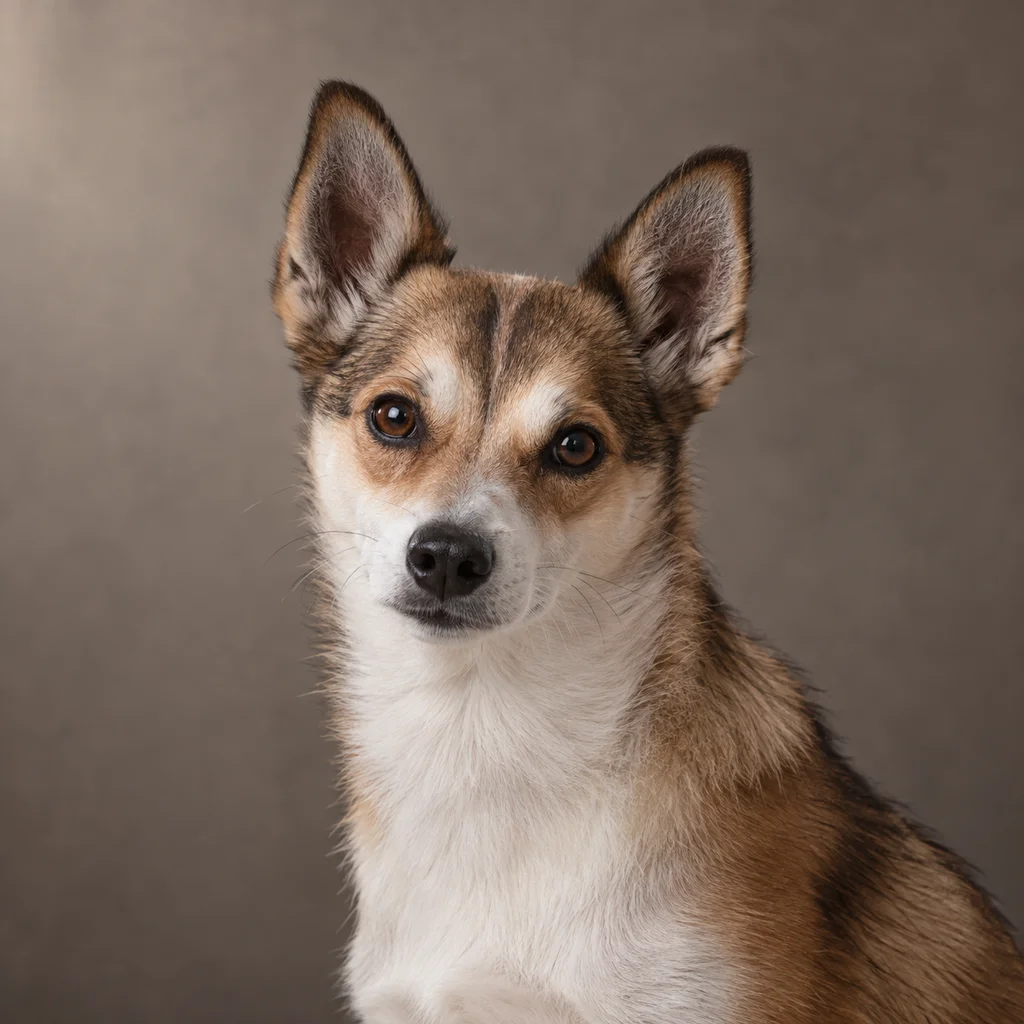
Norwegian Lundehund
Six toes on each foot helped this Norwegian puffin hunter grip steep coastal cliffs.
Small · Utility